
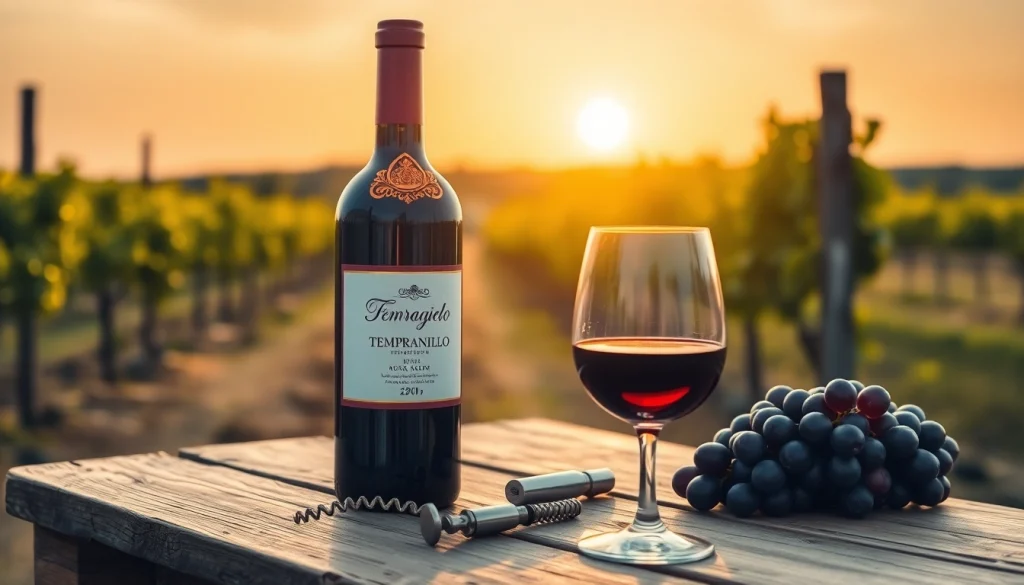
Introduction to Tempranillo
What is Tempranillo?
Tempranillo is a red grape variety renowned for its pivotal role in Spanish viticulture. Often regarded as the backbone of some of the world’s finest wines, Tempranillo is characterized by its rich flavors and ability to adapt to different climates and soils. This grape produces wines that balance fruitiness with an earthy complexity, making it a favorite among wine enthusiasts and connoisseurs alike. Its profile can vary significantly based on the region where it is cultivated and the wine-making techniques employed. To explore more about the unique characteristics of Tempranillo, visit Tempranillo.
The Origin of Tempranillo
Tempranillo’s origins can be traced back to ancient Spain, with its name derived from the Spanish word “temprano,” meaning “early.” This refers to the grape’s tendency to ripen earlier than many other varieties, a trait that has made it adaptable to diverse climates throughout the Iberian Peninsula. Initially cultivated in the Rioja region, its presence has expanded to numerous vineyards around the globe, contributing to its growing prestige in international wine markets.
Characteristics of Tempranillo Wine
Tempranillo wines are typically medium to full-bodied with a range of flavor profiles that include cherry, plum, tobacco, and leather. With moderate acidity and soft tannins, Tempranillo offers a smooth drinking experience. Depending on the region and winemaking methods, Tempranillo can also exhibit herbal notes and earthy undertones, making it a versatile choice for various food pairings.
Tempranillo Regions
Main Growing Regions of Tempranillo
The most prominent regions known for cultivating Tempranillo include Rioja, Ribera del Duero, and Navarra in Spain, each contributing distinct characteristics to the wine produced. In Rioja, Tempranillo is blended with Garnacha and Graciano, leading to wines with remarkable depth. Ribera del Duero showcases a bolder expression of Tempranillo, often aged longer in oak, enhancing complexity. Outside Spain, significant plantings are found in Portugal, where it is known as Tinta Roriz, and in regions such as Argentina and the United States, illustrating its global versatility.
Climate’s Influence on Tempranillo
Climate plays a crucial role in the growing conditions of Tempranillo. Its preference for warm to hot climates allows the grape to maintain its acidity while achieving desired sugar levels. In cooler regions, such as some areas of Spain, Tempranillo’s characteristics can lean toward firmer tannins and richer flavors. Conversely, in warmer climates, the wine often displays riper fruit profiles, increasing its appeal to a broader audience.
Soil Types Best for Tempranillo
Tempranillo flourishes in a variety of soil types, but it particularly thrives in calcareous, clay, and sandy soils, which help retain moisture while providing necessary drainage. These soil conditions contribute to the grape’s ability to produce balanced wines with good structure and aging potential. The interplay between soil composition and climate ultimately impacts the flavor profiles and overall quality of Tempranillo wines.
Tasting Tempranillo
Aroma and Flavor Profile of Tempranillo
The aroma of Tempranillo is a captivating mix of red and dark fruits, including cherry, plum, and blackberry, often complemented by hints of vanilla, leather, and herbs. On the palate, it presents a harmonious blend of these fruity notes alongside earthy complexities, which can develop elegance and depth with age. The exact flavor profile can vary, but overall, Tempranillo is esteemed for its balanced character that appeals to various wine lovers.
Food Pairing with Tempranillo
Tempranillo’s versatility extends to its pairing capabilities, making it a suitable companion for a wide array of dishes. The wine’s fruity and earthy notes harmonize beautifully with grilled meats, especially lamb and beef. It complements savory dishes such as paella, hearty stews, and even roasted vegetables. The softer tannins of younger Tempranillo wines also make them a great match for pasta dishes, while aged versions can go well with rich cheeses and dark chocolate desserts.
How to Properly Taste Tempranillo
Tasting Tempranillo involves a simple yet attentive process to fully appreciate its character. Begin by examining the wine’s color in a clear glass, noting its intensity. Swirl the glass gently to release its aromas, then inhale deeply to discern the bouquet. Take a small sip, allowing the wine to coat your palate, and slowly reflect on its flavors, texture, and finish. Pay attention to the balance between acidity, tannins, and alcohol, as these elements define the wine’s profile and quality.
Tempranillo Varieties
Different Styles of Tempranillo
Tempranillo wines vary widely in style, reflecting the diverse regions and winemaking techniques. In Rioja, you’ll find a range from youthful, fruity expressions labeled as Joven to more complex Gran Reservas that boast layers of flavor from extensive oak aging. In contrast, Ribera del Duero offers robust, powerful versions often aged for longer periods, highlighting rich fruit and spices. Experimenting with these styles can provide a broader understanding of the grape’s potential.
Understanding Blends with Tempranillo
Blending is commonplace with Tempranillo, particularly in regions like Rioja, where it is often combined with Garnacha, Graciano, and others. These blends can enhance the wine’s complexity, adding layers of flavor and aroma that highlight each grape’s strengths. Understanding the specific characteristics of these blends can greatly enhance your wine appreciation and selection skills.
Notable Tempranillo Labels to Try
When exploring Tempranillo, several notable labels are widely recognized for their quality. Wines from established producers often receive accolades for a harmonious balance of flavor and structure. While specific brands are generally not highlighted, seeking out wines from esteemed regions such as Rioja and Ribera del Duero can guide you toward remarkable experiences. Always consider vintage nuances and personal preferences when selecting a bottle to enjoy.
Cultivating and Aging Tempranillo
Best Practices for Growing Tempranillo
Growing Tempranillo successfully involves understanding its specific needs related to climate and soil. Key practices include strategic pruning, canopy management, and proper irrigation to control yield and quality. Emphasizing organic viticulture can enhance the grape’s natural expression while ensuring sustainability. Attention to these growing practices can significantly impact the quality and character of the resulting wine.
Aging Tempranillo: What You Need to Know
Aging Tempranillo is an art that elevates the wine’s complexity and depth. Factors influencing aging include the type of barrels used, the wine’s acidity, and tannin structure. Generally, wines are aged in oak barrels, which impart vanilla, spice, and additional aromatic components. Understanding the aging process can help consumers distinguish quality wines and appreciate their evolution over time in the bottle.
Impact of Barrels on Tempranillo’s Flavor
The choice of barrel type, origin, and age significantly affects a Tempranillo’s flavor profile. American oak barrels often lend a sweeter, vanilla aroma, whereas French oak contributes more subtle, spicy notes. Furthermore, the toasting level of the barrel can influence the wine’s overall character, adding to its complexity. Knowledge of these barrel influences enhances not only the understanding of the wine but also informs better tasting and pairing experiences.
Frequently Asked Questions
What foods pair well with Tempranillo?
Tempranillo pairs well with grilled meats, hearty stews, and dishes featuring tomatoes. It also complements cheeses and dark chocolate desserts exceptionally well.
How should Tempranillo be served?
Tempranillo should ideally be served slightly below room temperature, around 60-65°F (15-18°C), to enhance its flavors and aromas.
What is the aging potential of Tempranillo?
The aging potential of Tempranillo varies by style. Some can be enjoyed young, while others, especially high-quality Gran Reservas, can age gracefully for a decade or more.
Is Tempranillo only produced in Spain?
While Tempranillo is primarily associated with Spain, it is also cultivated in Portugal, Argentina, Australia, and California, producing wines with unique characteristics.
What influences the taste of Tempranillo wine?
The taste of Tempranillo is influenced by factors such as the vineyard’s terroir, climate, soil type, and specific winemaking techniques used by the producer.