
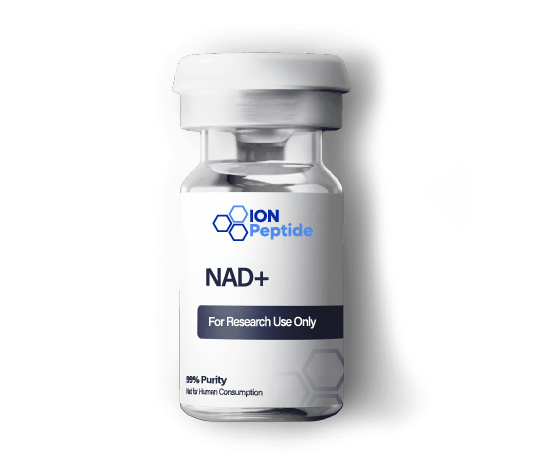
Understanding NAD+ and Its Significance
What is NAD+?
NAD+ (Nicotinamide Adenine Dinucleotide) is a crucial coenzyme found in all living cells. It plays a significant role in energy metabolism, cellular repair, and overall cellular function. NAD+ is not just a passive molecule; it actively participates in redox reactions, where it alternates between oxidized (NAD+) and reduced (NADH) states. This transformation is vital for the production of adenosine triphosphate (ATP), the energy currency of the cell. High levels of NAD+ are essential for optimal cellular function and longevity, which is why its levels are a focus in anti-aging and regenerative medicine. For more detailed insights, you can learn more about NAD+ and its functionalities.
The Importance of NAD+ in Cellular Processes
NAD+ serves multiple pivotal roles in cellular processes. Firstly, it is essential for metabolic pathways, especially those involved in converting food into energy. Through the electron transport chain in mitochondria, NAD+ acts as an electron carrier, assisting in ATP synthesis. Secondly, NAD+ is crucial for DNA repair and maintenance of genomic stability. Enzymes like PARPs (poly(ADP-ribose) polymerases) use NAD+ in response to DNA damage, highlighting its role in cellular repair mechanisms. Furthermore, as a substrate for sirtuins, NAD+ influences cellular aging, stress responses, and metabolism, linking it directly with longevity. The intricate balance of NAD+ levels impacts numerous health conditions, making its study indispensable for chronic disease prevention and treatment.
Common Myths About NAD+
Despite its fundamental role in biology, several myths surrounding NAD+ can lead to misconceptions. One prevalent myth is that NAD+ is only important for aging. While it’s true that NAD+ levels decline with age, its significance extends to energy metabolism and disease prevention at any age. Another myth is that NAD+ can be fully supplemented with dietary sources alone. While certain foods like dairy and green vegetables contain precursors to NAD+, optimal levels often require supplementation or lifestyle choices that enhance endogenous production. Lastly, some believe NAD+ supplements offer miraculous energy boosts. Though they can enhance energy metabolism, the effects vary among individuals and depend on overall health and lifestyle factors. Recognizing these myths is crucial for making informed decisions on health supplementation strategies.
Peptides and Their Connection to NAD+
What Are Peptides?
Peptides are short chains of amino acids, typically consisting of 2 to 50 amino acids. They play a vital role in biological processes by acting as hormones, neurotransmitters, and signaling molecules. Peptides are synthesized in the body and can also be obtained from dietary sources. They exert their effects by binding to specific receptors, influencing various physiological functions from immune responses to muscle growth. Importantly, certain peptides can modulate biological pathways that influence NAD+ synthesis, making them a point of interest in health and wellness research.
How Peptides Enhance NAD+ Levels
Specific peptides have been identified as potential enhancers of NAD+ levels. These peptides can stimulate the pathways involved in the synthesis of NAD+ from its precursors. For example, some research points to the role of peptides like epithalamin and thymosin alpha-1 in enhancing cellular resilience and boosting NAD+ concentrations. By promoting cellular health and increasing the availability of NAD+ precursors, these peptides can create a synergistic effect, enhancing overall metabolic function and energy levels.
Best Peptides for NAD+ Boosting
When considering peptides for boosting NAD+ levels, certain candidates stand out for their research-backed benefits. One such peptide is BPC-157, known for its properties in healing and recovery, which may extend to metabolic enhancement. Another notable peptide is PT-141, which has been researched for its effects on energy metabolism and fat loss. Additionally, Thymosin Beta-4 shows promise in improving cellular repair processes, thereby potentially influencing NAD+ levels. Each peptide carries its unique profile and efficacy, but their collective potential in enhancing NAD+ levels offers exciting avenues for research and application in health optimization.
Clinical Applications of NAD+-Boosting Peptides
NAD+ in Aging and Longevity
The decline of NAD+ levels with age has sparked considerable interest in its role in longevity and age-related diseases. Clinical studies have shown that restoring NAD+ levels can lead to improvements in mitochondrial health, enhance DNA repair mechanisms, and drive cellular rejuvenation. NAD+ has been linked with sirtuins, a class of proteins that regulate cellular health and longevity. As such, therapeutic strategies aimed at increasing NAD+ through peptides are being investigated for their potential to extend lifespan and improve the healthspan, ultimately leading to healthier aging.
Peptides in Metabolic Health
Research has demonstrated a significant connection between NAD+ and metabolic health, primarily as it pertains to obesity and type 2 diabetes. NAD+ plays a crucial role in glucose metabolism, and enhancing its levels through peptides may help in regulating blood sugar levels. Additionally, peptides that promote NAD+ synthesis can support metabolic flexibility, allowing the body to adapt to varying energy demands. Clinical applications are emerging, where NAD+-boosting peptides are being explored for their potential to improve insulin sensitivity and support weight management.
Potential in Neurodegenerative Disorders
The protective roles of NAD+ in neuronal health highlight its potential in combating neurodegenerative disorders. Research indicates that diminished NAD+ levels correlate with conditions like Alzheimer’s and Parkinson’s diseases. Peptides that enhance NAD+ levels may offer neuroprotection, aiding in cognitive function and slowing disease progression. Therapeutic applications are being explored, where restoring NAD+ could be a central strategy in developing treatments for neurodegenerative diseases, thereby preserving cognitive health in aging populations.
How to Incorporate NAD+-Enhancing Peptides
Supplementation vs. Natural Sources
Incorporating NAD+-enhancing peptides into one’s regimen can be approached through supplementation or natural sources. Supplementation can offer targeted effects, allowing for more direct engagement with NAD+ pathways. However, dietary sources rich in amino acids, such as meats, dairy, and certain plant-based proteins, can also support the body’s peptide synthesis capabilities. Balancing both methods can be advantageous; while supplements directly elevate NAD+ levels, natural sources provide the building blocks necessary for your body to produce peptides and maintain overall health.
Dosing Guidelines for Optimal Benefits
Finding the appropriate dosing for NAD+-enhancing peptides is crucial to maximize benefits while minimizing risks. Dosages can vary depending on the specific peptide and the intended purpose. Generally, starting with lower doses and gradually adjusting based on individual response is recommended. For most peptides, a dosing regimen between 200mg to 500mg per day can be effective, but consulting with a healthcare professional before beginning any new supplement is essential to ensure it aligns with personal health needs and goals.
Potential Side Effects and Considerations
While peptides are generally considered safe, potential side effects can arise depending on the individual and the specific peptide utilized. Common side effects may include gastrointestinal discomfort, allergic reactions, or changes in blood pressure. Monitoring for adverse effects is important, especially when initiating a new peptide regimen. Understanding individual health conditions and medications is key to preventing interactions, so engaging healthcare providers before starting any new supplement is advisable for safety and efficacy.
Future of NAD+ Research in Peptide Therapy
Emerging Trends in NAD+ Studies
The exploration of NAD+ within peptide therapy is gaining momentum, presenting promising trends in research. As scientific understanding deepens, the focus now extends toward identifying novel pathways that influence NAD+ metabolism, which could lead to innovative therapeutic approaches. Interdisciplinary collaborations are surfacing, combining insights from biochemistry, genetics, and clinical studies to pioneer new treatment modalities targeting NAD+ supplementation for diverse health conditions.
Innovations in Peptide Development
Innovations in peptide synthesis methods enable the creation of more effective and targeted peptides to enhance NAD+ levels. Advancements in technology, such as machine learning in peptide design and high-throughput screenings, allow researchers to develop peptides with optimized efficacy. Moreover, ongoing studies aim to establish more precise targeting mechanisms for peptides, further enhancing their therapeutic potential in regulating NAD+ levels and addressing specific health challenges.
Predictions for NAD+ Research
The future of NAD+ research, particularly in peptide therapy, holds expansive potential. As more data emerges about the impact of NAD+ in aging, metabolism, and cellular health, we can anticipate a surge in clinical applications targeting NAD+ deficiency. Personalized medicine approaches could become standard practices, tailoring peptide therapies based on individual NAD+ profiles to enhance clinical effectiveness. Overall, continued exploration into NAD+ pathways will undoubtedly yield innovative approaches for optimizing health and combating chronic diseases.
Frequently Asked Questions
What are the benefits of NAD+?
NAD+ plays a crucial role in energy metabolism, DNA repair, and cellular health. Enhanced levels support longevity, metabolic function, and neuroprotection.
Can NAD+ be supplemented?
Yes, NAD+ can be supplemented through various means, including oral capsules and injectables. Peptide-based supplements are also emerging to enhance its levels.
What are peptides?
Peptides are small chains of amino acids that perform various roles in the body, such as hormones or signaling molecules, influencing numerous biological processes.
How do peptides boost NAD+ levels?
Certain peptides stimulate pathways involved in NAD+ synthesis, enhancing its availability and promoting cellular resilience through various biochemical processes.
Are there any side effects when using NAD+ boosters?
Potential side effects may include gastrointestinal discomfort and allergic reactions. It’s essential to monitor your body’s response and consult a healthcare professional.