
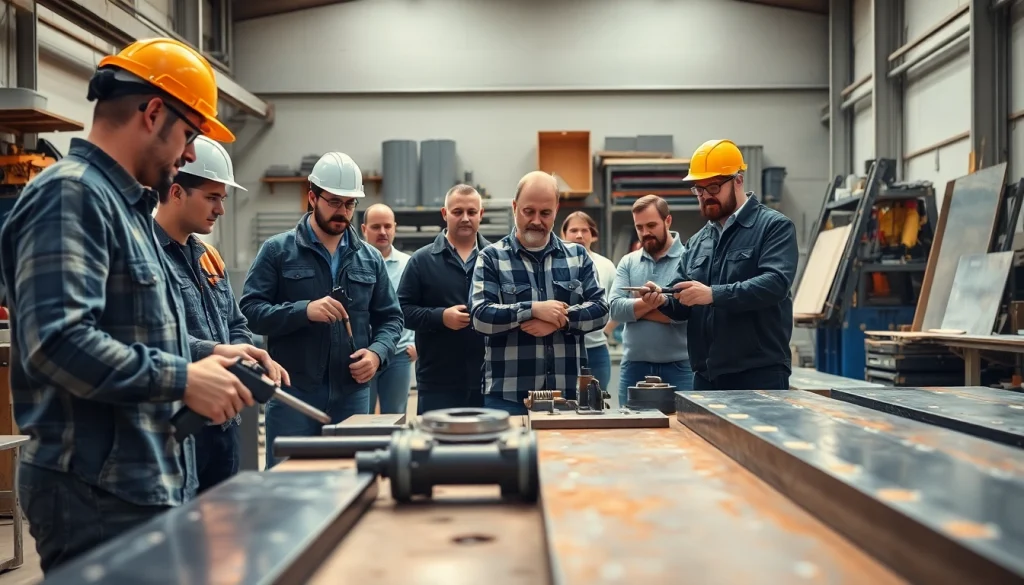
The Importance of Sheet Metal Training
Sheet metal training is essential for anyone looking to pursue a career in metalworking, manufacturing, or engineering sectors. As the industry evolves, skilled professionals are needed to design, manufacture, and repair a variety of metal components. Engaging in structured sheet metal training can provide an invaluable foundation that extends beyond basic skills to include advanced techniques and safety practices.
Understanding Sheet Metal Basics
Sheet metal refers to metal that is formed into thin, flat pieces, often made of steel or aluminum. It is available in various thicknesses and is a versatile material used in a wide range of applications, from construction to automotive manufacturing. Understanding the categories of sheet metal, such as hot-rolled, cold-rolled, and stainless steel, is crucial for anyone entering this field.
The common properties of sheet metal include malleability, ductility, and durability. A strong grasp of these basic concepts enables trainees to select the appropriate material for specific projects, impacting the quality and safety of the final product. Examples of sheet metal usage include HVAC ducts, automotive panels, and roofing materials.
Benefits of Structured Training Programs
Structured training programs provide numerous advantages over self-taught or unstructured learning. These programs offer systematic courses that cover both theoretical knowledge and hands-on skills, ensuring that learners gain a comprehensive understanding of both the art and science of working with sheet metal.
Moreover, engaging with experienced instructors allows trainees to benefit from personalized feedback, which enhances the learning experience. Additionally, certifications and credentials obtained through formal training can significantly improve job prospects and advancement opportunities in a competitive job market.
Skill Development and Career Opportunities
Completing sheet metal training equips individuals with a variety of skills such as cutting, shaping, and joining metal. These skills are not only desirable in the manufacturing sector but are also applicable in construction, aerospace, and HVAC industries. As technology advances, new opportunities continue to emerge, particularly in fields like renewable energy and electronic manufacturing, which increasingly rely on precision sheet metal components.
Moreover, with the growing demand for sustainable construction practices, knowledge of eco-friendly materials and production techniques can set trained individuals apart in the job market.
Core Techniques in Sheet Metal Training
Cutting and Shaping Methods
Cutting and shaping are fundamental aspects of sheet metal fabrication. Common methods include laser cutting, plasma cutting, and shearing, each with its unique advantages and applications. Laser cutting offers high precision and is often employed in intricate designs, while plasma cutting is favored for its speed in cutting thicker materials. Shearing, on the other hand, is a more economical method for producing straight cuts in less complex projects.
Training programs not only teach these techniques but also focus on the geometry and measurement skills necessary to ensure precision and accuracy. Practical, hands-on experiences in these methods help instill confidence and proficiency among trainees.
Joining Techniques and Welding Basics
Joining techniques are crucial in assembling metal structures and components. Common methods include welding, riveting, and soldering, each serving different purposes based on the material and desired strength of the joint. Understanding the properties of various filler materials, such as rods and wires used in welding, is also a vital component of training.
Welding techniques such as MIG (Metal Inert Gas) and TIG (Tungsten Inert Gas) welding are fundamental aspects covered in training programs. Mastery of these techniques ensures that trainees can produce robust and reliable welds, enabling them to tackle complex projects in various industries.
Safety Procedures in Training
Safety is a top priority in any sheet metal training program. Working with sharp tools and heavy machinery poses inherent risks, making it crucial for trainees to understand and adhere to safety protocols. Proper usage of personal protective equipment (PPE), such as gloves, goggles, and masks, is emphasized, ensuring trainees are equipped to handle materials and tools safely.
Training programs often incorporate safety drills and protocols to reinforce safe practices, minimizing the risk of accidents and injuries in both educational and professional settings. A commitment to safety cultivates a culture of responsibility and diligence among trainees, preparing them for actual working environments.
Choosing the Right Training Program
Evaluating Training Providers
When looking for a training program, it is important to evaluate various providers based on their curriculum severity, instructor credentials, and hands-on training opportunities. Prospective trainees should research reviews and feedback from former students to gauge the effectiveness of the training programs. Visiting the campus, if applicable, can also provide insight into the facilities and resources available for hands-on learning.
Additionally, the relationship between industry partners and the training providers can offer networking opportunities and job placement assistance after certification, which can significantly enhance employment prospects.
Certifications and Credentials
Certifications play a vital role in validating the skills and knowledge acquired through sheet metal training. Both national and local certifications are available, with some of the most recognized being offered by the American Welding Society (AWS) and the National Center for Construction Education and Research (NCCER).
Possessing relevant certifications can enhance a resume and demonstrate a level of professionalism and commitment to potential employers. Moreover, continuing education and re-certification are often necessary to keep pace with advancements in techniques and materials, ensuring that skills remain relevant and competitive.
Real-world Applications of Skills Learned
The practical skills obtained during sheet metal training can be applied to a myriad of real-world situations. From constructing HVAC systems to creating artistic installations and cabinetry, the versatility of sheet metal work means that trainees can explore diverse career pathways once trained.
Learning how to read and interpret blueprints and technical drawings is another essential skill that directly translates to job readiness in fields where precision and accuracy are paramount. In addition, managing projects from start to finish fosters valuable teamwork and communication skills.
Challenges in Sheet Metal Training
Common Obstacles Faced by Trainees
While sheet metal training is beneficial, several obstacles may hinder a trainee’s progress. These may include difficulty grasping complex theoretical concepts or mastering intricate techniques. Mental blocks or fears associated with using heavy machinery can also pose challenges, particularly for those without prior experience.
Furthermore, maintaining focus during long training hours and the physical demands of working with heavy materials can create additional stressors. Addressing these obstacles with patience and practice is essential in overcoming them successfully.
How to Overcome Skill Gaps
Overcoming skill gaps requires dedication, persistence, and access to additional resources or support. Trainees facing challenges should seek supplemental materials, such as videos or online forums, to reinforce learning. Engaging in study groups or finding a mentor can also provide encouragement and practical insights.
Regular assessments and self-evaluations can help identify areas needing improvement, enabling targeted efforts to bridge these gaps. Most importantly, fostering a growth mindset can dramatically influence a trainee’s ability to confront and overcome challenges throughout their learning journey.
Resource Accessibility and Support
Access to resources is fundamental for successful training. Comprehensive training programs should include access to workshops, tools, and industry-standard equipment. Inclusion of online platforms and resources can also provide additional support as trainees continue their education beyond the traditional classroom.
Mentorship programs and alumni networks are invaluable for fostering connections that can lead to job opportunities and professional development. Additionally, local industry partnerships can enhance resource availability, providing trainees with access to real-world projects and experiences that enhance their learning.
Measuring Success in Sheet Metal Training
Performance Metrics for Trainees
Measuring success in sheet metal training involves various performance metrics that provide insights into a trainee’s progress. Practical assessments, skill evaluations, and project completions are common benchmarks to gauge competence. The ability to follow technical specifications while ensuring quality and safety is often emphasized.
Feedback from peers and instructors also plays a pivotal role in assessing skill levels. Constructive criticism can highlight areas needing improvement, guiding trainees on how to refine their craft and approach.
Feedback Mechanisms and Continuous Improvement
Incorporating ongoing feedback mechanisms allows trainees to engage in continuous improvement. Regular feedback sessions and peer evaluations promote a culture of collaborative learning, fostering an environment where students feel safe to share ideas and suggestions.
Encouraging self-reflection after practical exercises can help students assess their performance and identify learning opportunities without external prompts. This primitive approach to feedback empowers trainees to take ownership of their learning journey.
Success Stories and Case Studies
Highlighting success stories and case studies can serve as inspiration for new trainees. These real-life examples illustrate the transformative power of dedicated training in sheet metal work, featuring individuals who overcame obstacles and achieved their career goals through persistence and skilled learning.
Case studies often showcase diverse applications such as architectural designs or innovative products created by trained professionals, illustrating not only the technical skills acquired but also the creativity linked with sheet metal applications in various industries.
FAQs about Sheet Metal Training
1. What is sheet metal training?
Sheet metal training encompasses courses and hands-on experiences to equip individuals with skills necessary for working with metal sheets.
2. Who should consider sheet metal training?
This training is ideal for aspiring welders, fabricators, construction workers, or anyone interested in metalworking careers.
3. How long does sheet metal training take?
The duration of training programs varies, typically ranging from a few weeks to several months, depending on the curriculum and level of certification.
4. Are certifications required in this field?
While not always mandatory, certifications are highly beneficial and often sought by employers to validate skills and knowledge in sheet metal work.
5. What is the job outlook for sheet metal workers?
The job outlook for sheet metal workers remains positive, with steady demand in various industries such as construction, automotive, and HVAC.