
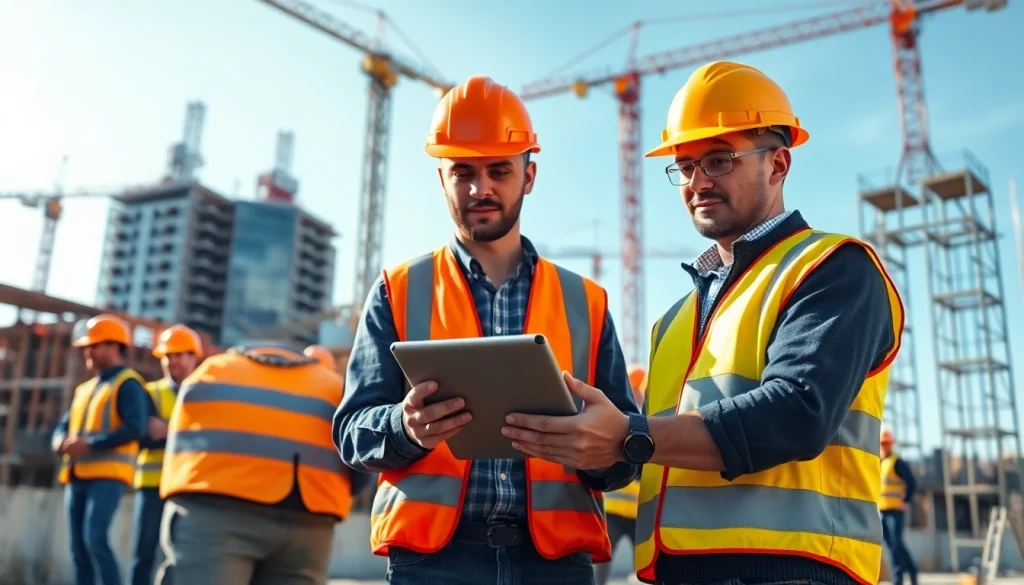
Understanding Construction Site Safety
What is Construction Site Safety?
Construction site safety encompasses a wide range of practices, regulations, and protocols aimed at reducing the risk of accidents and injuries on construction sites. This includes ensuring that all personnel are aware of potential hazards and that proper safety gear is utilized. Construction site safety is a critical component of the construction industry, protecting workers and promoting efficient operations while adhering to regulatory requirements.
Importance of Safety Regulations
Safety regulations in the construction industry are not arbitrary; they serve the essential purpose of safeguarding lives and property. Agencies like the Occupational Safety and Health Administration (OSHA) set forth standards that must be followed to minimize work-related injuries and fatalities. Compliance with these regulations not only protects workers but also helps companies avoid costly fines and legal consequences, enhancing overall workplace morale and productivity.
Common Hazards in Construction Environments
The construction environment is fraught with various hazards, which can be broadly categorized into physical hazards, electrical hazards, and environmental hazards. Common physical hazards include:
- Falls: One of the leading causes of death in the construction industry, often occurring from elevations.
- Being Struck by Objects: Tools, materials, or equipment can fall, posing serious dangers to workers below.
- Electrical Hazards: Contact with electrical wires or equipment can lead to severe injuries or fatalities.
- Equipment-Related Injuries: Heavy machinery poses risks if not operated or maintained properly.
Mitigating these hazards involves thorough training and strict adherence to safety protocols, ensuring that workers are aware of potential dangers and how to avoid them.
Best Practices in Construction Site Safety
Implementing Safety Gear Requirements
Personal protective equipment (PPE) is crucial in minimizing risks on construction sites. Employers should enforce a strong PPE policy that requires workers to wear items such as hard hats, safety goggles, gloves, and high-visibility vests. Regular inspections of safety gear must be conducted to ensure it is in good condition and adequate for the tasks being performed.
Conducting Regular Safety Training
Regular safety training is vital. Training should occur at the start of each project, supplemented with additional sessions throughout the project’s duration. Topics should cover safe operational procedures, emergency response plans, and updates on any changes to safety regulations. Furthermore, hands-on drills can be beneficial in instilling knowledge and ensuring readiness among the workforce.
Establishing Clear Communication Protocols
Effective communication is the backbone of successful safety initiatives. Establishing clear communication protocols means that everyone understands how to report incidents, share safety concerns, and stay updated on safety measures. Utilizing signage, briefings, and technology can enhance awareness and ensure that safety remains a priority among all workers on site.
Compliance and Legal Considerations
Understanding OSHA Regulations
Understanding OSHA regulations is fundamental for compliance in the construction industry. OSHA sets forth specific safety standards that cover various aspects of construction environments, including scaffold safety, fall protection requirements, and hazard communication guidelines. Familiarity with these regulations is essential for employers and employees alike, as it ensures a safer workplace.
Recordkeeping and Reporting Obligations
Accurate recordkeeping and reporting are not only legal obligations but also best practices that enhance safety culture. Employers should maintain logs of all safety training conducted, incidents reported, and inspections performed. This documentation serves as a resource for evaluating safety measures and compliance with OSHA standards, providing essential data when making safety improvements or responding to incidents.
Dealing with Non-Compliance Consequences
Failing to comply with safety regulations can lead to severe consequences, including hefty fines, work stoppages, and increased scrutiny from regulatory bodies. In addition, non-compliance can severely damage a company’s reputation, affecting future job prospects. It’s critical for organizations to actively monitor compliance and take corrective actions promptly when discrepancies are discovered.
Team Involvement in Safety Protocols
Encouraging Worker Engagement
Encouraging worker engagement in safety protocols can significantly enhance the effectiveness of safety measures on a construction site. Organizations should foster an environment where workers feel empowered to voice their concerns and suggest improvements. Tools such as anonymous surveys or suggestion boxes can facilitate open communication, leading to more robust safety practices.
Establishing Safety Committees
Establishing safety committees can further deepen worker involvement in safety protocols. These committees, composed of management and workers, can promote a collaborative approach to safety. They can oversee the implementation of safety measures, conduct audits, and review incident reports, ensuring that all perspectives are taken into account when developing safety strategies.
Promoting a Safety-First Culture
Ultimately, promoting a safety-first culture within an organization is key to enhancing construction site safety. This involves making safety a priority at all levels of the organization, from senior management to field personnel. Leaders must communicate their commitment to safety consistently and demonstrate it through their actions. This cultural shift can lead to improved safety outcomes, employee satisfaction, and overall productivity.
Evaluating and Improving Safety Measures
Using Technology for Safety Monitoring
Technology plays a pivotal role in modernizing safety measures on construction sites. Tools such as drones for site inspections, wearable technology to monitor health metrics, and digital safety management systems can provide valuable data. By analyzing this data, organizations can identify potential hazards before they lead to incidents, thus improving overall safety standards.
Conducting Safety Audits
Conducting regular safety audits is essential for evaluating existing safety measures. These audits help to identify compliance gaps, potential hazards, and areas for improvement. An effective audit process involves reviewing incident reports, assessing adherence to safety protocols, and gathering feedback from workers. Following audits, organizations should create action plans to address identified issues and improve safety practices.
Continuous Training and Adaptation
The construction landscape is continually changing, necessitating ongoing training and adaptation of safety measures. Continuous training programs should be dynamic and responsive to new technologies, evolving regulations, and emerging hazards within the industry. By fostering a culture of continuous learning, organizations can always be proactive in enhancing safety protocols.
Frequently Asked Questions
What are the most common construction site hazards?
Common hazards include falls, electrical risks, being struck by objects, and equipment-related injuries. Awareness and training mitigate these dangers.
How often should safety training be conducted?
Safety training should be conducted regularly, ideally at the start of each project and during refresher courses to keep all personnel updated on protocols.
What role does personal protective equipment (PPE) play?
PPE is crucial for safeguarding workers from potential hazards, including hard hats, gloves, goggles, and safety vests, ensuring compliance with safety standards.
How can safety audits improve site safety?
Safety audits help identify potential risks and ensure compliance with safety regulations, enabling proactive measures to enhance overall site safety.
What should be included in a safety communication plan?
A safety communication plan should include emergency protocols, reporting mechanisms, and regular updates on safety rules to maintain clear communication.