
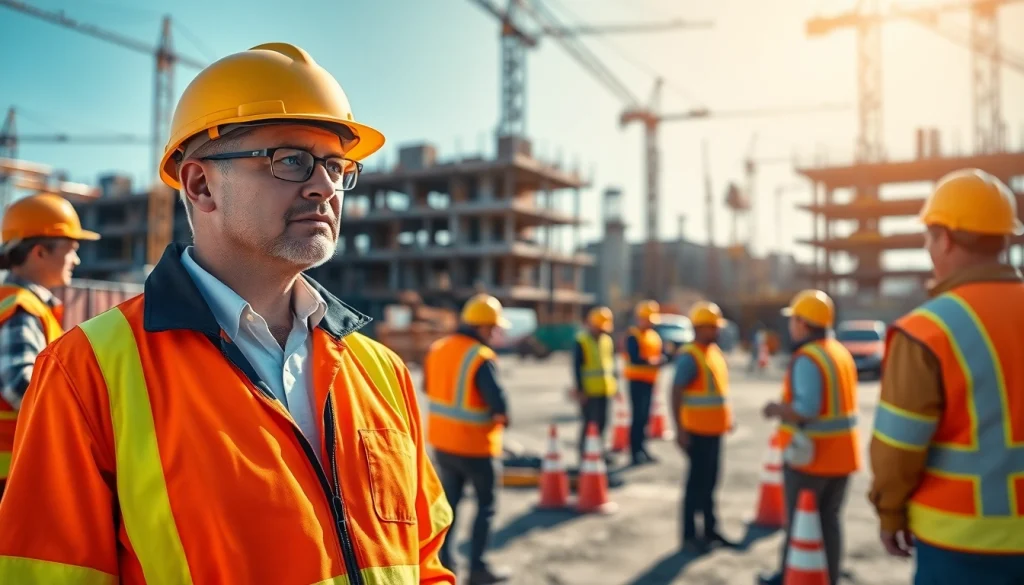
Understanding Construction Site Safety
Definition and Importance of Construction Site Safety
Construction site safety encompasses the protocols, policies, and practices designed to protect workers and the surrounding environment from harm while construction projects are ongoing. The construction industry is known for its high-risk nature, with hazards that can lead to severe accidents and injuries. Prioritizing construction site safety not only helps in protecting human lives but also minimizes financial losses associated with workplace accidents, including legal liabilities and a damaged reputation. Ensuring safety allows construction companies to focus on productivity without the burden of workplace mishaps.
Common Types of Hazards in Construction
Construction sites are rife with potential hazards, which can be classified into several categories:
- Falls: One of the leading causes of injury and death in the construction industry, falls occur from heights due to lack of safety rails, proper scaffolding, or fall protection systems.
- Struck-By incidents: Workers can be injured by falling, swinging, or moving objects. These include materials, equipment, or even other workers.
- Electrical hazards: Contact with live wires, short circuits, and improper use of electrical equipment pose significant risks to workers.
- Caught-in or Between hazards: Workers can be pinned between equipment or materials, posing serious injuries.
- Hazardous materials: Exposure to toxic substances such as asbestos, lead, or chemicals can lead to health issues over time.
Legal Regulations and Standards
Government regulations established by agencies like OSHA (Occupational Safety and Health Administration) provide crucial guidelines for maintaining safety on construction sites. Compliance with these regulations safeguards workers and ensures that construction companies avoid fines and legal consequences. Companies should regularly review both federal and state regulations to stay informed on the best practices and necessary safety protocols.
Key Components of a Safety Plan
Creating a Comprehensive Safety Policy
Developing a comprehensive safety policy involves outlining the safety standards and regulations that all employees must follow. This policy should define roles and responsibilities for safety, address emergency procedures, and outline disciplinary measures for non-compliance. Involving employees in the creation of the safety policy can foster a culture of safety and commitment to adherence.
Employee Training and Engagement
Training is paramount in ensuring that all employees are aware of the safety procedures in place and are well-equipped to handle emergencies. Regular safety training sessions should be conducted, focusing on identifying hazards, using personal protective equipment (PPE), emergency protocols, and first aid. Engaging employees through interactive training methods enhances retention and promotes a proactive safety culture.
Emergency Response Planning
Every construction site should have a detailed emergency response plan that prepares workers for various emergencies, including fires, medical emergencies, or severe weather conditions. This plan should include clear evacuation routes, emergency contacts, and procedures for reporting accidents. Regular drills help ensure that everyone understands their roles during an emergency.
Best Practices for Maintaining Safety
Regular Safety Audits and Inspections
Conducting regular safety audits and inspections is crucial to identify and address any safety deficiencies. These audits should evaluate compliance with safety protocols, identify hazards, and assess the effectiveness of current safety measures. A systematic approach to audits not only improves safety management but also contributes to employee accountability in maintaining a safe working environment.
Utilizing Personal Protective Equipment (PPE)
PPE is essential for protecting workers from various construction hazards. Depending on the job environment, essential PPE includes hard hats, protective eyewear, gloves, high-visibility clothing, respirators, and steel-toed boots. Companies should provide training on the proper use and maintenance of PPE to boost its effectiveness and ensure compliance among all workers.
Effective Communication on Site
Effective communication among construction workers is vital for safety. Establishing clear channels for reporting hazards and sharing safety information helps create a collective responsibility for safety on site. Posting safety signage, using radios for communication, and holding regular safety briefings contribute to a well-informed workforce ready to respond swiftly to any issues that arise.
Case Studies: Success Stories in Construction Site Safety
Real-World Examples of Safety Implementation
Analyzing successful implementations of safety measures can provide valuable insights. For instance, organizations that have adopted a zero-accident philosophy and integrated safety as a core value have seen remarkable reductions in incident rates. They achieved this through strong leadership commitment to safety and a meticulous approach to training and hazard assessments.
Lessons Learned from Safety Failures
Learning from past incidents is crucial for improving safety practices. Analyzing accidents can reveal underlying issues in safety protocols. By understanding the root causes, construction companies can enhance their risk assessment and prevention strategies, thereby reducing future occurrences.
Innovative Solutions for Modern Challenges
Technological advancements play a significant role in enhancing construction site safety. Innovations such as drones for site inspections, wearable safety technology that monitors vitals, and AI-driven analytics for predictive safety modeling are reshaping the landscape of safety management. Embracing these innovations can lead to smarter and more effective safety practices.
Measuring the Success of Safety Initiatives
Identifying Key Performance Indicators (KPIs)
To measure the effectiveness of safety initiatives, companies must establish Key Performance Indicators (KPIs) tailored to their safety goals. Common KPIs include incident rates, near-miss reports, employee training completion rates, and audit results. Regularly reviewing these indicators allows for timely adjustments to strategies and policies.
Analyzing Safety Incident Reports
Thorough analysis of safety incident reports is essential for understanding trends and root causes of incidents. Establishing a system for documenting incidents can help pinpoint specific areas needing improvement. Regular reviews of these reports inform safety strategies and promote a culture of learning and continuous improvement.
Continuous Improvement Strategies
Continuous improvement in safety practices involves regularly refining policies, updating training practices, and innovating safety technologies. Seeking employee feedback through surveys and meetings can provide insights into areas for enhancement and cultivate a sense of ownership among the workforce regarding safety measures.
Frequently Asked Questions
What are the most common construction site safety hazards?
Common hazards include falls, electrical shocks, being struck by objects, and exposure to harmful substances. Recognizing these risks is vital for effective safety measures.
How can employee training enhance site safety?
Regular training ensures workers are aware of safety protocols and emergency procedures, significantly reducing accidents and improving disaster response.
What role do personal protective equipment (PPE) play?
PPE protects workers from potential hazards. Essential gear includes helmets, gloves, protective eyewear, and high-visibility clothing to enhance safety.
How often should safety audits be conducted?
Conducting safety audits regularly—ideally every month—ensures compliance and identifies areas for improvement in safety practices and employee training.
What is the importance of communication in construction site safety?
Effective communication fosters a culture of safety, enabling teams to report hazards, share best practices, and ensure everyone is aware of safety regulations.