
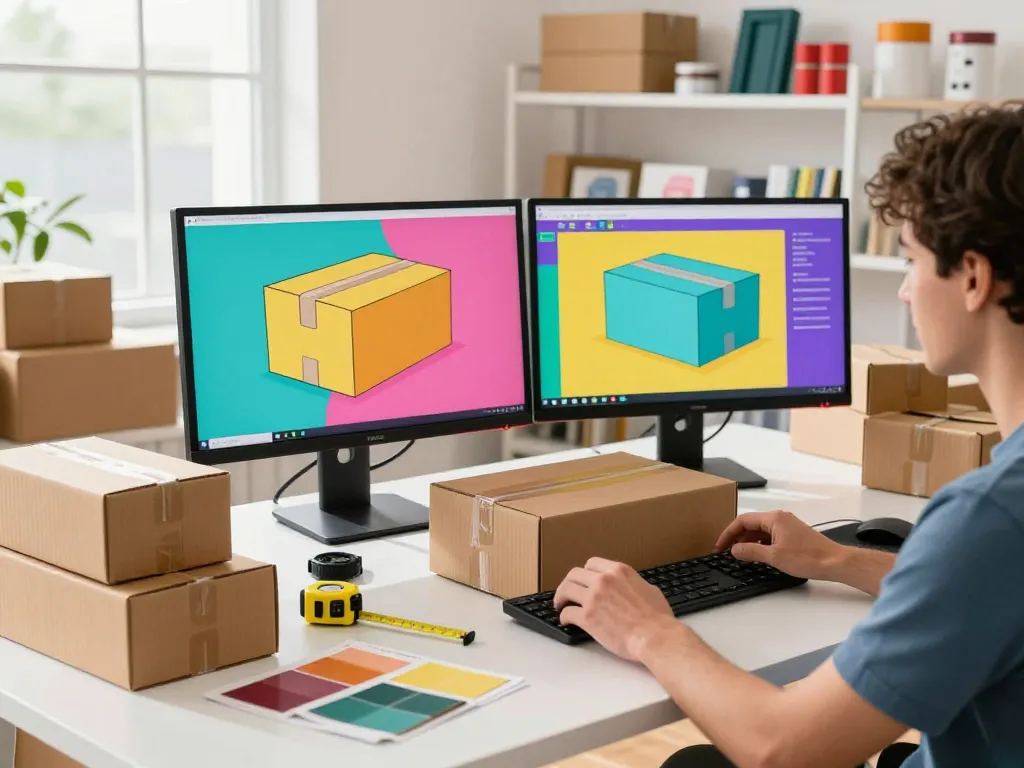
Understanding Corrugated Cartons
Corrugated cartons are a fundamental packaging solution used across various industries, known for their durability and versatility. Comprised of a fluted layer sandwiched between two flat linerboards, these cartons offer superior protection for a wide range of products. When exploring options, corrugated carton solutions provide comprehensive insights into material choices, design possibilities, and sustainable practices that ensure your products are well-protected during shipping and storage.
What Is a Corrugated Carton?
A corrugated carton is a type of box made from corrugated fiberboard, which consists of a wavy fluted layer and one or two outer flat linerboards. This construction gives corrugated boxes their strength and makes them widely used for shipping and packaging. They come in various styles and sizes, catering to different needs, from small retail goods to large industrial products.
Benefits of Using Corrugated Cartons for Packaging
- Strength and Durability: The structure of corrugated cartons allows them to withstand significant pressure and impact, making them ideal for heavy or fragile items.
- Lightweight: Despite their strength, corrugated boxes are lightweight, reducing shipping costs.
- Customizability: They can be customized in size, shape, and design, enabling businesses to create packaging that reflects their brand.
- Sustainability: Made from renewable materials, corrugated cartons are recyclable and biodegradable, aligning with modern sustainability goals.
Common Misconceptions About Corrugated Cardboard
There is a common misconception that corrugated cartons are the same as regular cardboard boxes. While both are made from paper, corrugated cartons are specifically designed with structural integrity to support heavier weights and are more suitable for shipping and storage compared to standard cardboard.
Designing Your Custom Corrugated Carton
Selecting Materials for Optimal Performance
Choosing the right materials is critical for the effectiveness of your custom corrugated carton. Options include single-wall and double-wall constructions, which provide different levels of strength. The choice of linerboard, flute size, and coating will also affect the box’s performance and cost.
Understanding Printing Options Available
Custom printing options for corrugated cartons range from simple black-and-white designs to full-color graphics. Digital printing allows for vibrant, high-quality images that can enhance brand recognition and appeal to customers. It’s essential to consider how your design will look on the carton, ensuring it’s both eye-catching and functional.
Design Best Practices for Maximum Impact
When designing your custom carton, focus on clarity and simplicity. Your packaging should communicate your brand’s identity while also providing essential information about the product. Incorporate your logo, product details, and usage instructions, ensuring they are easily readable and positioned well on the carton.
Implementing Custom Carton Solutions
Steps to Create a Custom Design Brief
Creating a design brief is the first step in developing a custom corrugated carton. This document should outline the goals of your packaging, target audience, product specifications, and any regulatory requirements. The more detailed your brief, the easier it will be for designers and manufacturers to meet your needs.
Working with Manufacturers for Prototypes
Once your design brief is complete, it’s time to engage with manufacturers to create prototypes. This phase allows you to test the design and functionality of your carton. Be open to feedback and adjustments to ensure the final product meets both aesthetic and practical standards.
Case Studies of Successful Carton Implementations
Learning from the success of others can provide valuable insights into effective packaging strategies. Companies that have successfully implemented custom corrugated solutions often see reduced shipping costs, improved brand visibility, and higher customer satisfaction. Case studies can serve as inspiration for your own packaging projects.
Measuring Success with Custom Packaging
Key Performance Indicators for Packaging Effectiveness
To evaluate the success of your custom packaging, consider metrics such as damage rates during shipping, customer feedback, and sales performance. High-quality packaging should protect the product effectively and enhance the customer experience.
Gathering Customer Feedback on Packaging Choices
Regularly solicit feedback from customers regarding your packaging. Understanding their perceptions and experiences can provide insights into what works and what could be improved. This feedback loop is crucial for ongoing development and innovation in your packaging solutions.
Adapting Your Strategy Based on Market Trends
Stay informed about emerging trends in packaging, including sustainability and design innovations. As consumer preferences evolve, your packaging strategies should adapt accordingly to maintain relevance and appeal.
Future Trends in Custom Corrugated Cartons
Sustainable Practices in Carton Manufacturing
As sustainability continues to be a significant concern for consumers and businesses alike, manufacturers are adopting eco-friendly practices in the production of corrugated cartons. This includes sourcing materials from sustainable forests and using water-based inks for printing.
The Rise of Smart Packaging Technologies
Smart packaging technologies, such as QR codes and NFC tags, are becoming more prevalent in the industry. These innovations allow brands to enhance customer engagement by providing interactive experiences and additional information about the product.
Predictions for Corrugated Carton Design in 2026
By 2026, we can expect to see further advancements in the design of corrugated cartons, prompting greater emphasis on minimalism, interactivity, and sustainability. This shift will challenge brands to evolve their packaging to meet consumer expectations and environmental responsibilities.
What is a corrugated carton?
A corrugated carton is a packaging container made from corrugated fiberboard, which consists of a fluted layer between two flat linerboards, providing strength and protection for a variety of products.
How can I customize corrugated cartons?
Customization options for corrugated cartons include selecting the dimensions, shape, material type, and adding printed graphics or textures that align with your brand identity.
What are the benefits of custom corrugated packaging?
Custom corrugated packaging offers tailored solutions that enhance product protection, improve brand visibility, and often reduce shipping costs due to their lightweight and durable nature.
What is the difference between corrugated and cardboard?
While both materials are used for packaging, corrugated boxes are made of multiple layers, providing better strength and durability compared to basic cardboard, which is not designed for heavy-duty use.
Where can I order custom corrugated boxes?
Custom corrugated boxes can be ordered from various packaging suppliers and manufacturers, many of whom offer online services and tools to help you design your packaging according to your specifications.