
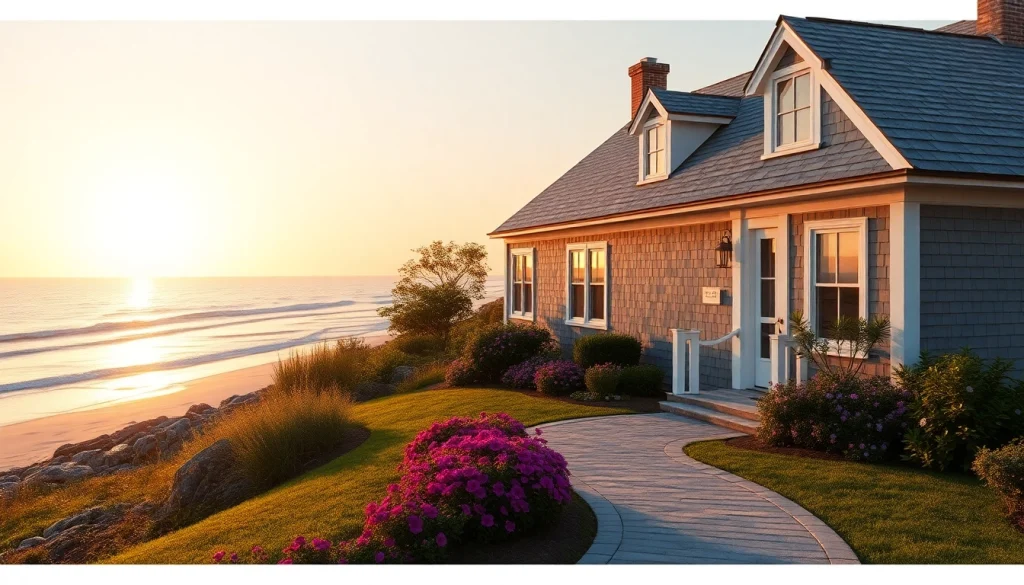
Understanding Cape Cod Homes
The allure of cape cod homes lies in their historical roots and architectural charm. Originating in the 17th century, these homes are a testament to the area’s rich maritime heritage. Characterized by their steeply pitched roofs, symmetrical facades, and often charming pastel colors, they offer a lovely blend of practicality and aesthetic appeal.
Historical Roots of Cape Cod Architecture
Cape Cod architecture evolved from the need for sturdy homes that could withstand the harsh New England winters while requiring minimal maintenance. Drawn from early colonial designs, these homes reflect a historical pragmatism. The first settlers built simple one-and-a-half-story homes designed to be easily replicable, emphasizing functionality over flair. As time has passed, the style has celebrated renovations and new builds, while honoring traditional elements that defined its original form.
Key Features of Cape Cod Homes
One of the standout features of Cape Cod homes is their gable roofs, which are often covered with cedar shingles, designed to shed rain and snow effectively. These roofs develop a beautiful gray patina over time, contributing to the home’s rustic charm. The homes usually present dormer windows, adding to the upper floor’s space and light. Additionally, the wide front porch is a hallmark of this style, providing an inviting entry point.
Common Materials Used in Construction
Traditionally, Cape Cod homes are built using materials that are both durable and locally sourced. The most common materials include wood, particularly cedar and pine, which are prevalent in both the framework and shingles. Additionally, natural stone and brick may be used for foundations, providing structural integrity and resilience against the elements. Paint colors mirrored the coastal environment, with whites, greens, and blues remaining popular choices.
Designing Your Cape Cod Home
When designing a Cape Cod home, it’s essential to honor its historical roots while incorporating personal touches that resonate with modern living. A well-thought-out design balances the charm of traditional elements with the conveniences of contemporary life.
Choosing the Right Colors and Finishes
The color palette for Cape Cod homes often draws inspiration from the coastal surroundings. Earth tones and soft pastels amplify the home’s connection to nature. Consider lighter colors for the exterior to reflect sunlight and reduce heat absorption, while rich colors can work well for accents and doors, lending an inviting vibe. Finishes should include natural wood options and weather-resistant paints to extend the home’s life.
Incorporating Modern Amenities
While preserving the traditional aesthetics, modern amenities play a crucial role in enhancing comfort and functionality. Contemporary kitchens with updated appliances, energy-efficient windows, and smart home technology can be seamlessly integrated while maintaining the classic visual appeal. Innovative HVAC systems can also provide year-round comfort without compromising the home’s integrity.
Landscaping Ideas for Cape Cod Homes
Landscaping should complement the natural beauty of the Cape Cod area. Consider native plantings that require little maintenance, such as beach grasses and wildflowers, which support local biodiversity. Well-placed outdoor seating areas can maximize enjoyment of the beautiful surroundings and create a harmonious outdoor living space, characteristic of the laid-back coastal lifestyle.
Benefits of Living in Cape Cod Homes
Living in a Cape Cod home is not just about the unique architectural style; it also encompasses community, lifestyle, and the tangible benefits of residing in a coastal area.
Community and Lifestyle Advantages
The Cape Cod community is renowned for its friendliness and hospitality. Residents enjoy a sense of belonging, with many neighborhoods hosting events throughout the year. The lifestyle here often revolves around outdoor activities, such as sailing, fishing, and beaches, all contributing to a picturesque and fulfilling way of life. The cultural heritage, enriched by art and cuisine, further enhances the living experience.
Investment Potential in Coastal Areas
Investing in Cape Cod property is often viewed as sound financial wisdom. The continuous allure of coastal living maintains property values over time. Properties often appreciate due to demand, especially those near the ocean or community amenities. These homes can also serve as vacation rentals, providing supplementary income, especially during tourist seasons.
Environmental Benefits of Traditional Architecture
Cape Cod homes exemplify the principles of sustainable building and living. With their simple structures that require fewer resources, they minimize environmental impact. Their orientation maximizes natural heating and cooling, reducing energy demands. By using local materials, they also support sustainable practices and promote the preservation of local ecosystems.
Challenges in Cape Cod Homeownership
While living in a Cape Cod home comes with numerous benefits, potential homeowners should also be aware of the challenges that accompany coastal living.
Weather and Maintenance Concerns
The coastal environment can pose unique weather challenges including heavy snow, salt spray, and humidity. Regular maintenance is essential to ensure longevity—this means consistent inspections of roofs, siding, and foundation. Homeowners should consider investing in durable materials designed to withstand harsh weather, which can significantly reduce long-term maintenance costs.
Understanding Local Regulations
Local regulations can be stringent, especially concerning zoning and historical districts. Homeowners should familiarize themselves with applicable building codes and restrictions before beginning renovations or expansions. Engaging with local authorities can provide clarity and help navigate any legal requirements efficiently.
Dealing with Coastal Erosion Issues
Coastal erosion remains a legitimate concern for Cape Cod homeowners. Understanding local geology and taking proactive measures, such as investing in proper drainage systems and landscape buffers, is crucial. Homeowners may also consult with professionals who specialize in coastal management for tailored solutions to mitigate erosion risks.
FAQs About Cape Cod Homes
What defines a cape cod home?
A Cape Cod home is typically characterized by its steeply pitched roof, symmetrical design, dormer windows, and wooden siding, often reflecting coastal colors.
Are cape cod homes suitable for year-round living?
Yes, many Cape Cod homes are designed for year-round living, equipped with proper insulation and heating to withstand winter conditions.
How can I enhance the curb appeal of my cape cod home?
To enhance curb appeal, focus on landscaping, paint the door a bold color, maintain the exterior, and add charming outdoor elements like lanterns or window boxes.
What are common maintenance tasks for these homes?
Common maintenance tasks include roof inspections, siding maintenance, gutter cleaning, and seasonal landscaping care to keep the home in top shape.
How do I choose an architect for my cape cod home renovation?
Choose an architect familiar with Cape Cod design principles and local building regulations, ideally one with experience in coastal settings and sustainable practices.