The Evolution of Educational Games Over the Years
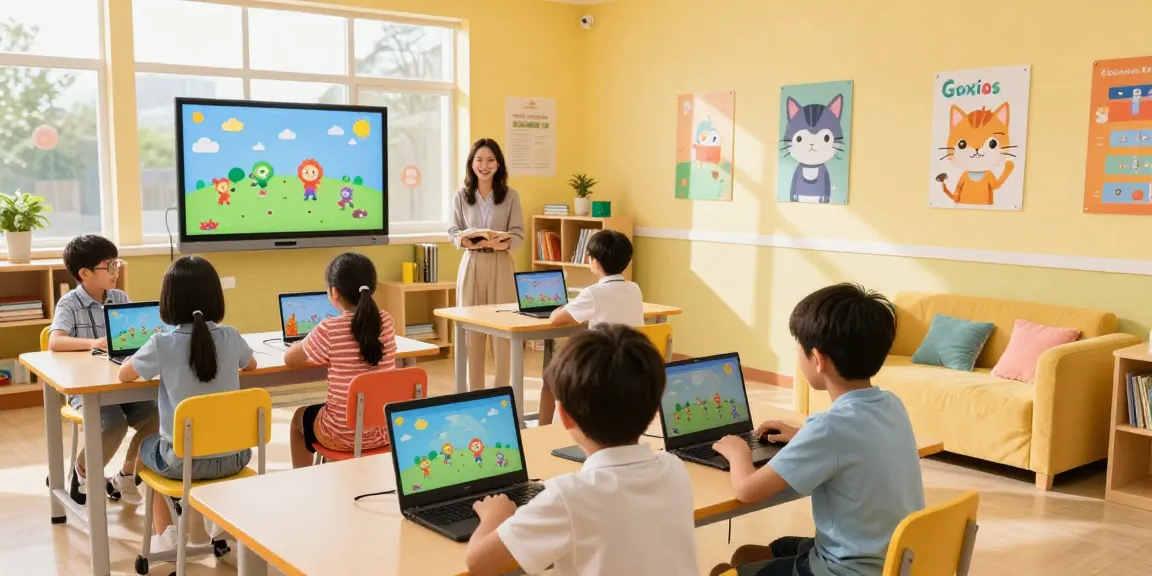
Educational games have come a long way since their inception, evolving from simple teaching tools to complex, engaging platforms that blend learning with entertainment. Today, platforms like Goxius are leading this transformation, offering a variety of educational games designed for families and learners of all ages. Understanding how we got here not only highlights the progress made but also sets the stage for future innovations in educational entertainment.
Understanding the Historical Context of Learning Through Play
The concept of learning through play is not new; it has been recognized for centuries as an effective educational strategy. In ancient civilizations, games were utilized to teach vital skills like strategy, math, and social interaction. As societies advanced, so did the methods of teaching. The introduction of board games in the 19th century allowed children to learn concepts in a structured but fun environment, paving the way for what would become electronic educational games by the end of the 20th century.
Key Milestones in the Development of Interactive Games
- The 1970s: The first computer-based educational games emerged, including "Oregon Trail," which allowed players to experience 19th-century pioneer life.
- The 1980s and 1990s: The rise of personal computers led to a boom in educational software, such as “Carmen Sandiego” and “Math Blaster,” that combined gaming with learning.
- The 2000s: Online platforms began to flourish, offering interactive games that were easily accessible. This was a significant shift from traditional methods, as learners could now participate in engaging educational experiences from their homes.
- Today: Modern educational games integrate advanced technology like artificial intelligence, enabling personalized learning paths and adaptive educational experiences.
How Goxius Redefines Edutainment Today
At Goxius, the aim is not only to provide educational content but to revolutionize the way families approach learning. By offering free access to an extensive library of multimedia resources, Goxius ensures every child can benefit from engaging and interactive educational games without financial barriers. The integration of Goxius the Cat as a brand ambassador brings a relatable and fun character into the learning experience, guiding children through various educational challenges.
Benefits of Educational Games for Families
Educational games offer numerous benefits that can enhance family dynamics and foster learning in a fun, engaging way. These games not only entertain but also support the cognitive development and social skills of children.
Enhancing Cognitive Skills and Knowledge Retention
Cognitive development is crucial during childhood, and educational games are designed to enhance skills such as problem-solving, critical thinking, and memory retention. For instance, games that focus on math puzzles or science quests require children to think critically and apply various strategies, reinforcing their learning and helping to retain information longer.
Fostering Collaborative Learning Experiences Among Children
Many educational games encourage collaborative play, allowing siblings and friends to work together to solve challenges or compete in friendly competitions. This collaborative aspect fosters teamwork and communication skills, essential for personal and academic success in today's interconnected world. Games like those offered on Goxius can be played in groups, making learning a shared adventure.
Promoting Safe Online Interaction and Digital Literacy
In a digital age, teaching children how to interact safely online is critical. Educational games provide a controlled environment where children can learn about digital literacy, Internet safety, and responsible online behavior. Platforms like Goxius prioritize safety, ensuring that children can explore and learn without the dangers posed by the broader Internet.
Exploring Various Types of Educational Games
Today's educational games come in various formats, from browser-based games that require no download to interactive video content and online courses. This variety caters to different learning preferences and needs, making education accessible and enjoyable for all.
Browser-Based Games: Accessibility Without Downloads or Accounts
Browser-based educational games offer significant advantages, including ease of access and immediate playability. Users can jump straight into learning without downloading software or creating accounts, making these games ideal for families and educators looking for on-the-go educational options.
Video Content and Online Courses: Integrating Multimedia Learning
Alongside gaming, Goxius provides engaging video content and online courses that complement gameplay. These multimedia resources cover a wide range of topics, from history to science, enhancing the educational experience by catering to various learning styles and preferences.
Game Genres: From Math Puzzles to History Adventures
Educational games span many genres, offering everything from math puzzles that challenge young learners to historical adventures that immerse players in different eras. This diversity ensures that every child finds an engaging way to learn and explore their interests. In addition, narrative-driven games create a more profound emotional connection to the content, making learning memorable.
Choosing the Right Educational Games for Your Family
Selecting educational games that align with your family’s learning goals can be a daunting task given the plethora of options available. However, focusing on specific criteria can simplify the process.
Assessing Age Appropriateness and Skill Levels
It’s essential to consider age appropriateness and skill level when selecting educational games. Many platforms, including Goxius, categorize their offerings based on age groups, ensuring that children engage with content designed specifically for their developmental stage.
Evaluating Educational Value and Fun Factor
Not all games are created equal in terms of educational value. Look for games that offer a balance of fun and learning, where educational content is seamlessly integrated into engaging gameplay. This approach ensures that children remain motivated while absorbing new concepts.
Recommendations for Engaging Game Platforms
Some recommended platforms for high-quality educational games include Goxius, PBS KIDS, and Funbrain, as each offers a range of interactive content catered to various learning levels and interests. Exploring multiple platforms can provide a broader spectrum of engaging educational opportunities for your family.
Future Trends in Educational Gaming: What's Next?
The world of educational gaming is constantly evolving, thanks to rapid technological advancements and changing educational needs. Here’s what families can expect in the coming years.
Technological Advancements Shaping the Learning Landscape
New technologies like virtual reality (VR) and augmented reality (AR) are on the rise, offering immersive educational experiences that could revolutionize learning. These technologies allow children to explore historical sites or conduct science experiments in a virtual environment, enhancing engagement and understanding.
The Role of Artificial Intelligence in Personalized Learning
Artificial intelligence is set to play a pivotal role in personalizing the learning experience. AI-driven educational games can adapt to a child’s learning pace, offering tailored content that meets their unique needs and skills. This customization could significantly improve learning outcomes and retention across various subjects.
Predictions for Edutainment in 2026 and Beyond
By 2026, we can anticipate a greater integration of educational games into traditional learning environments. Schools may use these tools as supplements to their curriculums, encouraging a hybrid approach to education that makes learning more dynamic and interactive. The rise of gamified learning platforms will also be essential in this transition.
How Will Families Adapt to These Changes?
Families will likely adapt to these changes by becoming more involved in their children's digital learning journeys. Engaging with educational games together can foster a supportive learning environment and encourage discussions about the material, creating a deeper understanding and appreciation for lifelong learning.