
Introduction to Sandakphu Trek
The sandakphu trek is one of the most renowned trekking experiences in the Eastern Himalayas. Situated in West Bengal, it offers trekkers not only a thrilling journey but also breathtaking views of some of the tallest peaks in the world, including Mount Everest and Kanchenjunga. This trek attracts both novice and experienced trekkers seeking a unique blend of adventure, natural beauty, and cultural richness.
Overview of the Trek
Sandakphu, standing at an impressive height of 3,636 meters (11,938 feet), is the highest peak in West Bengal and forms part of the Singalila Ridge. The trek spans approximately 50 kilometers and usually takes about 6-7 days to complete. The route not only provides challenging terrain but also opportunities to explore local villages, interact with indigenous communities, and witness diverse wildlife.
Geographical Significance
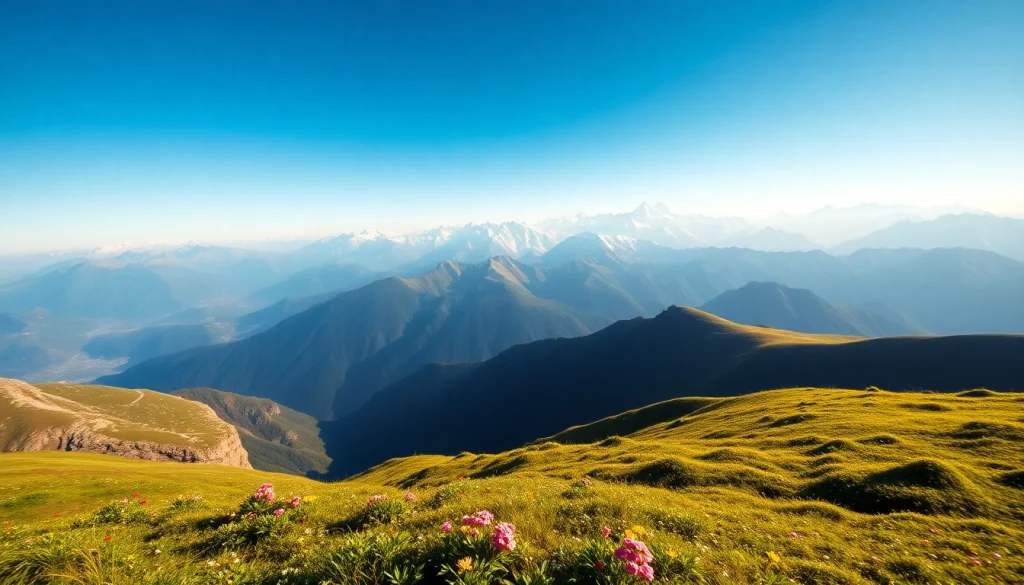
The geographical significance of the Sandakphu trek lies in its position along the India-Nepal border, providing an incredible vantage point for viewing four of the world’s highest peaks: Mount Everest, Kanchenjunga, Lhotse, and Makalu. The trail meanders through scenic landscapes filled with rhododendron forests, sprawling grasslands, and mesmerizing valleys, creating a visually striking backdrop that changes with the elevation.
Why Choose Sandakphu Trek?
Choosing the Sandakphu trek is highly recommended for several reasons. Firstly, it boasts some of the most stunning panoramic views in the Himalayas. Secondly, it is accessible for trekkers of varying experience levels, offering a moderate difficulty level that challenges the body but is manageable for beginners. Finally, the cultural experience of meeting local communities and the diverse flora and fauna make this trek a fulfilling venture on multiple fronts.
Planning Your Sandakphu Trek
Best Time to Trek
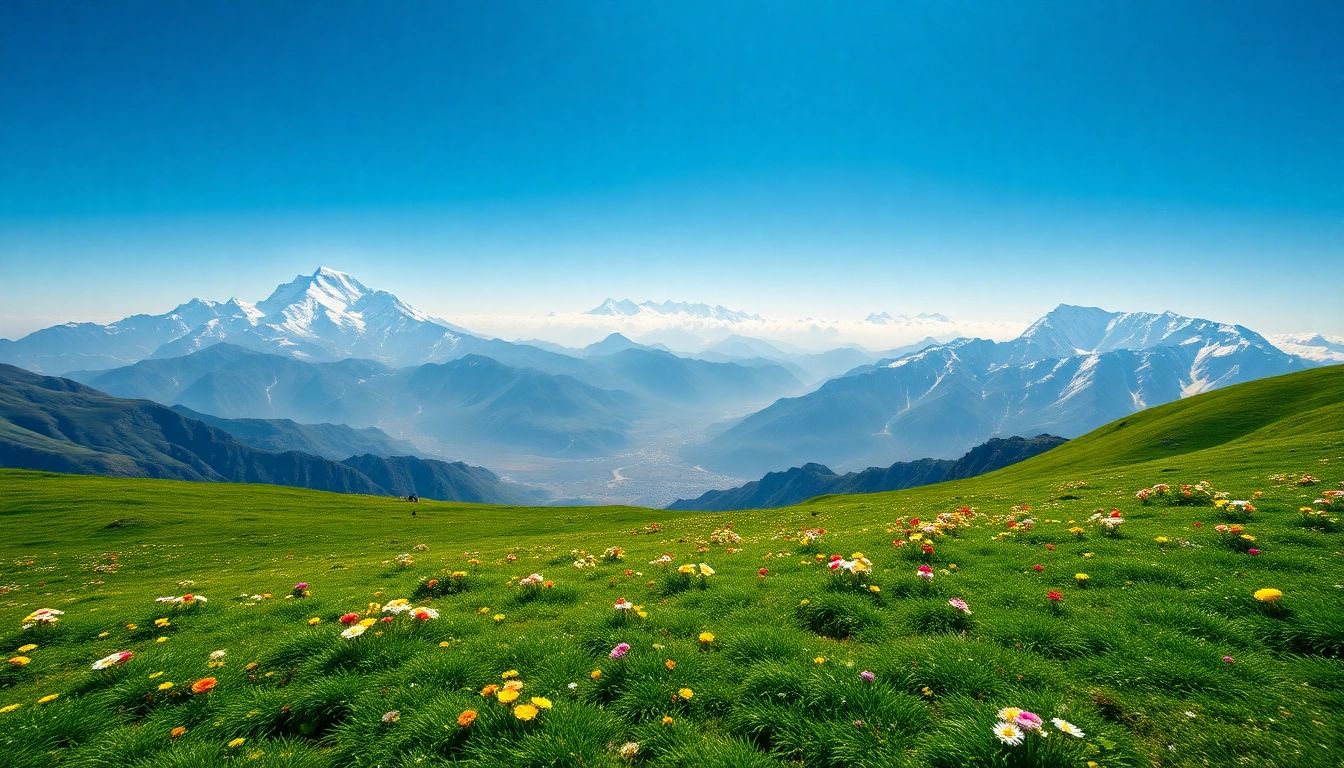
The best time for the Sandakphu trek largely depends on the experience you wish to have. The peak seasons are pre-monsoon (March to May) and post-monsoon (late September to November). During these periods, the weather is generally clear, offering the best views. Spring sees blooming rhododendrons that create a vibrant landscape, while autumn provides crisp air and stunning visibility of the peaks.
Required Permits and Documentation
Before embarking on the Sandakphu trek, trekkers must secure the necessary permits. The required documents typically include the Restricted Area Permit (RAP) for trekking in areas near the India-Nepal border. This permit can usually be obtained in Darjeeling, where officials can guide you through the paperwork required for the trek.
How to Get to the Starting Point
The journey to the starting point of the Sandakphu trek typically begins in Siliguri or Darjeeling. From Siliguri, you can take a jeep to Maneybhanjan, the gateway to the trek. This drive offers a scenic introduction to the beautiful landscapes that await. The trek officially starts from Maneybhanjan, leading you through charming villages and lush forested paths.
What to Expect on the Trail
Route and Difficulty Level
The Sandakphu trek route is classified as moderate, making it suitable for both beginners and seasoned trekkers. Throughout the journey, trekkers will navigate varied terrain, including rocky paths, steep ascents, and comfortable descents. It’s essential to pace yourself, especially during the initial days, to adjust to the altitudes and the physical demands of the trek.
Flora and Fauna in the Region
The trekking route is rich in biodiversity, featuring a variety of flora and fauna unique to the region. Rhododendrons, magnolias, and various alpine plants adorn the landscape. Wildlife enthusiasts may be lucky enough to spot animals such as the red panda, Himalayan black bear, and various species of pheasants. Bird watchers will particularly enjoy the diverse avian life, including the Himalayan Monal and other endemic birds.
Safety Measures and Tips
Safety is paramount during the Sandakphu trek. Here are some essential tips to ensure a safe and enjoyable expedition:
- Acclimatization: Spend adequate time acclimatizing to avoid altitude sickness. Take it slow and stay hydrated.
- Regular Check-ins: Keep your trekking group informed about your well-being and check in regularly.
- Weather Awareness: Be prepared for sudden weather changes. Carry appropriate gear for rain and cold.
- First Aid Kit: It’s advisable to carry a basic first aid kit with necessary medications.
Essential Gear for Sandakphu Trek
Clothing Recommendations
Choosing the right clothing is critical for comfort and protection during the trek. Layering is highly recommended to accommodate fluctuating temperatures. Key items include:
- Base layers (thermal tops and bottoms)
- Insulated jackets
- Waterproof outer layers (jackets and pants)
- Wool socks and sturdy trekking boots
- Warm hat and gloves
Camping and Cooking Equipment
If you’re camping, ensure you have quality camping gear to withstand the altitude and weather conditions. Essential equipment includes a high-altitude tent, sleeping bags rated for low temperatures, and cooking gear. A portable stove, fuel, and lightweight cookware can significantly enhance your trekking experience.
Navigation and Safety Gear
When trekking in remote areas, navigation tools are vital. A GPS device, maps, and a compass should be part of your gear, along with a headlamp or flashlight for nighttime navigation. Carrying a multi-tool or a Swiss Army Knife can also be helpful in various situations.
Frequently Asked Questions
What is the best time for Sandakphu trek?
The best times for the Sandakphu trek are during the spring (March to May) and autumn (late September to November) seasons, providing clear views and mild temperatures.
What is the altitude of Sandakphu?
Sandakphu stands at an altitude of 3,636 meters or 11,938 feet, making it the highest point in West Bengal.
Can beginners attempt the Sandakphu trek?
Yes, the Sandakphu trek is suitable for beginners with a decent fitness level. The trek’s moderate difficulty level makes it an excellent choice for first-time trekkers.
What are the primary challenges faced during the trek?
Challenges during the Sandakphu trek may include steep ascents, changing weather conditions, and potential altitude sickness. Adequate preparation and pacing are crucial to overcoming these challenges.
Is it possible to do a self-guided Sandakphu trek?
While self-guided treks are feasible, having a local guide is highly recommended for safety, navigation, and cultural insights along the route.