
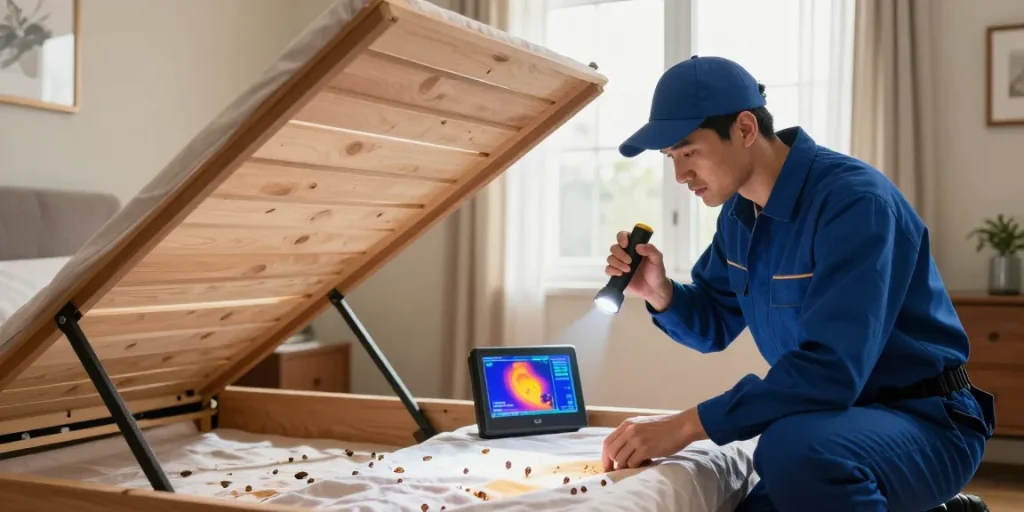
Understanding Bed Bugs: The Basics of Infestation
Bed bugs are small, brownish insects that feed on the blood of humans and animals. They are notorious for their ability to invade households and cause considerable distress due to their bites. In order to effectively address bed bug infestations, it is essential to understand their behavior, biology, and the signs of their presence. A comprehensive approach to bed bug removal starts with recognizing these factors, which can greatly influence the success of your treatment strategy.
What Are Bed Bugs and How They Operate?
Bed bugs, scientifically known as Cimex lectularius, are parasitic insects that thrive in human dwellings. They are nocturnal and primarily feed on human blood while the host is asleep. Their flat, oval bodies make it easy for them to hide in tiny cracks and crevices, making detection difficult. A female bed bug can lay hundreds of eggs in her lifetime, which contributes to the rapid spread of infestations. The common hiding spots include:
- Mattress seams
- Bed frames
- Wall cracks
- Furniture joints
- Behind picture frames
Common Signs of Bed Bug Infestations
Recognizing the signs of a bed bug infestation early can help mitigate damage and allow for quicker treatment. Key indicators include:
- Itchy welts: Often in clusters or lines, these are signs of recent feeding.
- Blood stains: Small, dark spots on bedding result from smashed bugs or feeding incidents.
- Fecal spots: Dark, ink-like stains on sheets or furniture indicate the presence of bed bugs.
- Eggs and skins: Finding shed skins or tiny, white eggs in hiding places is a strong indicator of infestation.
Risk Factors for Bed Bug Exposure
Several factors increase the likelihood of encountering bed bugs, including:
- Frequent travel, especially to areas with known infestations.
- Buying used furniture or clothing without thorough inspection.
- Living in multi-unit buildings where bed bugs can easily travel between apartments.
- Neglecting to inspect your home regularly for signs of these pests.
Effective Strategies for Bed Bug Removal
Once an infestation is confirmed, effective strategies must be implemented to eliminate bed bugs comprehensively. The key methods include:
Heat Treatment: A Comprehensive Approach
Heat treatment is one of the most effective methods for bed bug removal. This approach involves raising the temperature in the infested area to a level that is lethal to bed bugs and their eggs. Typically, temperatures of 120°F (49°C) or higher are maintained for several hours. This method is advantageous because it:
- Kills all life stages of bed bugs, including eggs.
- Is environmentally friendly and does not involve chemical pesticides.
- Provides a swift solution, often eliminating bed bugs in a single treatment.
Chemical Treatments: What You Need to Know
Chemical treatments are often used in conjunction with heat methods. They involve the application of residual insecticides that can continue to kill any remaining bed bugs for weeks or even months after treatment. These chemicals work by:
- Creating a barrier that prevents bed bugs from migrating back into treated areas.
- Targeting various stages of bed bug life, ensuring thorough elimination.
However, it is crucial to follow safety guidelines when using chemical treatments, including potential preparation and safety measures for pets and children.
Combining Treatments for Optimal Results
For the best outcome, a combination of heat and chemical treatments is often recommended. This integrated pest management approach maximizes the effectiveness of treatment and reduces the chances of re-infestation. Consulting with a professional pest control service can help determine the most tailored strategy for your specific situation.
DIY Solutions vs. Professional Bed Bug Removal
When faced with a bed bug infestation, many homeowners may consider DIY methods as a first line of defense. While certain home remedies can offer temporary relief, they are generally ineffective against well-established infestations. Understanding when to engage professionals is essential for effective bed bug management.
When to Consider DIY Methods
Some homeowners may attempt DIY treatments initially, using products like steaming, vacuuming, or non-toxic sprays. These methods can be effective in minor cases or as a temporary fix but often lack the potency required for complete eradication. Use DIY methods if:
- The infestation is suspected but not yet confirmed.
- You are looking for preventative measures.
- You’re addressing a few isolated bugs.
Benefits of Hiring Pest Control Experts
Professional pest control services offer several advantages that DIY methods cannot match, such as:
- Thorough inspections: Professionals have the expertise to identify hidden infestations.
- Access to advanced treatments: They use commercial-grade products that provide lasting protection.
- Comprehensive management: Experts implement strategies to prevent future infestations and may offer guarantees for their services.
Assessing the Cost vs. Value of Pro Services
While hiring a professional may seem expensive compared to DIY treatments, consider the long-term savings. Investing in professional services can prevent expensive damages and repeated treatments. Moreover, the peace of mind that comes with knowing the job is done correctly is invaluable.
Preventative Measures to Avoid Future Infestations
After successfully removing bed bugs, implementing preventative measures is crucial in avoiding future infestations. Here are practical strategies to consider:
Habits to Adopt for Bed Bug Prevention
Simple lifestyle adjustments can significantly reduce the risk of future bed bug encounters. Consider the following:
- Regularly inspect your home, especially after traveling.
- Store luggage off the floor in hotels and use luggage racks.
- Be cautious when bringing used items into your home.
Vacuuming and Cleaning Strategies
Frequent vacuuming can help reduce potential hiding spots for bed bugs. Focus on:
- Seams of mattresses and box springs.
- Cracks along baseboards and furniture.
- Regularly washing bed linens in hot water.
Using Protective Covers and Barriers
Investing in protective mattress and box spring encasements can prevent bed bugs from establishing a refuge in your bedding. These covers act as barriers, making it difficult for bed bugs to access food sources.
Future Trends in Bed Bug Control and Treatment
As pest control technology evolves, so do the methods for managing bed bug threats. Here are some future trends in bed bug control that are shaping the industry:
Innovations in Pest Control Technologies
The pest control industry continues to evolve with the introduction of innovative solutions such as:
- Smart monitoring devices: These gadgets can detect bed bug presence early, allowing for rapid response measures.
- Heat treatment technology: New advancements are making heat treatments more efficient and accessible.
Eco-Friendly Solutions Rising in Popularity
There is increasing consumer demand for eco-friendly pest control solutions. Methods that utilize natural ingredients or heat treatments are gaining traction due to their safety and effectiveness. More companies are focusing on offering green alternatives to chemicals.
What to Expect in Bed Bug Management in 2026
As we move into 2026, expect to see a continued focus on prevention over reaction. Efforts will be geared towards proactive measures, including:
- Enhanced education on bed bug awareness among the public.
- More robust policies for managing infestations in commercial properties.
- Increased use of integrated pest management techniques to provide lasting solutions.
What are the most effective methods for bed bug removal?
The most effective methods for bed bug removal combine both heat and chemical treatments. This dual approach ensures a comprehensive extermination strategy that targets all life stages of bed bugs, from eggs to adults, providing the best chance of permanent elimination.
How long does it take for a professional bed bug removal treatment to work?
The time frame for professional treatments to take effect can vary. Heat treatments may eliminate bed bugs within a few hours, while chemical treatments might take several hours to days to show results, depending on the severity of the infestation and the specific products used.
Can I eliminate bed bugs on my own?
While minor infestations might be manageable with DIY methods, comprehensive elimination often requires professional intervention. This is due to bed bugs’ resilience and ability to hide in hard-to-reach areas that are easily overlooked.
What should I do if I find bed bugs in my hotel room?
If you encounter bed bugs in your hotel room, immediately notify the management. Request a room change, preferably in a different part of the hotel, and inspect all luggage and belongings before leaving to avoid transporting any bugs home.
Are bed bugs harmful to my health?
Bed bugs are not known to transmit diseases; however, their bites can cause allergic reactions in some individuals and lead to secondary infections from scratching. Their presence can also cause significant psychological distress and anxiety.