
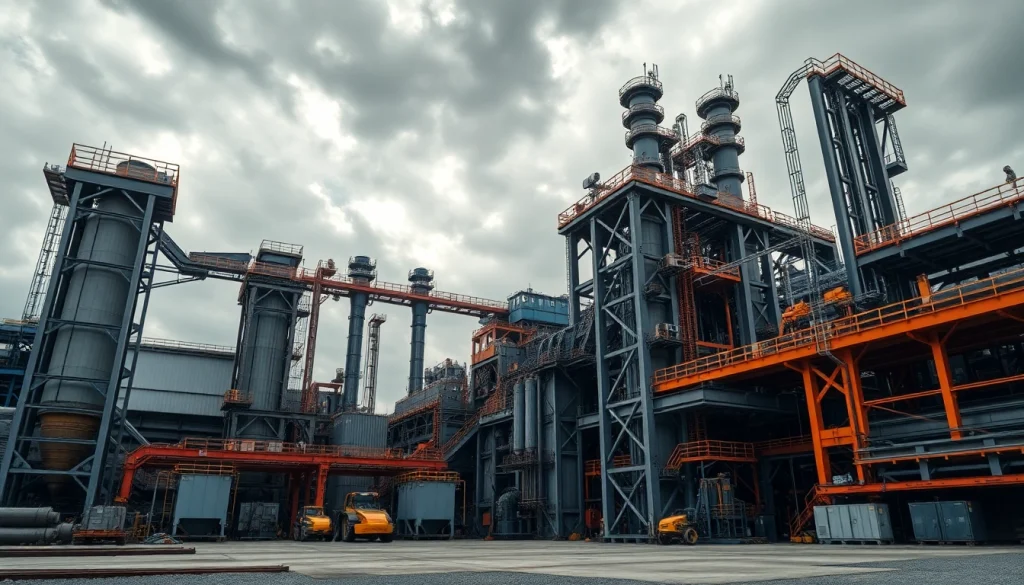
Understanding the Modern Steel Mill
Definition and Overview
The modern steel mill represents the pinnacle of steel production technology, incorporating advanced techniques and processes that enhance efficiency, productivity, and sustainability. These facilities are designed to produce high-quality steel products that meet the needs of various industries, including construction, automotive, and manufacturing. Modern steel mills employ innovative practices ranging from raw material processing to final product delivery, creating a complex and integrated manufacturing ecosystem.
Historical Context
The journey of steel production has evolved significantly since its inception in ancient times. Early ironworks paved the way for more sophisticated production methods, leading to the Industrial Revolution, which marked a turning point in steel manufacturing. The introduction of the Bessemer process in the 19th century allowed for mass production of steel, facilitating its use in buildings, bridges, and railways. With the advent of the 20th century, continuous casting and electric arc furnaces revolutionized the sector, culminating in the development of today’s modern steel mill, which harnesses cutting-edge technology and automated systems to meet global demands.
Global Impact
Modern steel mills are not just local powerhouses; they have a profound impact on the global economy. Steel is a fundamental material for infrastructure, manufacturing, and technology. The growth and efficiency of steel mills directly correlate with economic development, employment opportunities, and technological advancement in regions where they operate. Moreover, with increased demand for steel in emerging economies, the competitive landscape has shifted, demonstrating the crucial role that modern steel mill practices play in shaping local and global markets.
Technological Advancements in Modern Steel Mills
Automation and Robotics
Automation has fundamentally transformed the landscape of steel production. Modern steel mills utilize advanced robotics and automated systems to enhance operational efficiency and reduce human error. Automated machinery handles tasks such as material handling, welding, and finishing processes, allowing for greater precision and output. The integration of IoT (Internet of Things) technologies facilitates real-time monitoring and performance analysis, which enhances decision-making processes.
Energy Efficiency Techniques
Energy consumption is one of the largest expenses in steel production, making efficiency a top priority for modern mills. Innovative solutions such as heat recovery systems and energy-efficient furnaces are now commonplace. Modern steel mills implement techniques like the use of alternative energy sources, optimized process flows, and advanced insulation materials to minimize energy wastage. The focus on energy efficiency not only reduces costs but also supports sustainability goals by decreasing overall carbon emissions.
Data-Driven Decision Making
The advent of big data analytics has enabled steel manufacturers to make informed decisions based on comprehensive data analysis. By collecting and analyzing data from various processes throughout the production chain, modern steel mills can identify bottlenecks, monitor equipment health, and predict maintenance needs. Data-driven insights make it possible to optimize production schedules and inventory management, ultimately leading to increased productivity and reduced operational costs.
Environmental Considerations for Modern Steel Mills
Reducing Carbon Footprint
As global awareness of climate change grows, the steel industry faces immense pressure to reduce its carbon footprint. Modern steel mills are at the forefront of this effort, adopting innovative technologies such as carbon capture and storage (CCS) and utilizing renewable energy sources. The development of low-carbon steelmaking processes, including hydrogen-based reduction methods, presents a promising avenue for achieving substantial reductions in emissions.
Waste Management Solutions
Effective waste management is crucial in minimizing environmental impact. Modern steel mills implement comprehensive recycling programs, repurposing industrial by-products such as slag and dust. Many facilities are moving toward a circular economy approach, where waste is minimized, and materials are continually reused. This not only benefits the environment but also reduces costs associated with raw material procurement and waste disposal.
Regulatory Compliance
Modern steel mills operate under stringent environmental regulations aimed at protecting ecosystems and human health. Compliance involves stringent monitoring of emissions, waste management practices, and resource consumption. Facilities invest in advanced monitoring systems to ensure adherence to regulatory standards and often engage in reporting practices that contribute to transparency and accountability.
Challenges Facing the Modern Steel Mill Industry
Market Competition
Intense competition within the steel industry necessitates constant innovation and strategic positioning. Modern steel mills must improve operational efficiencies while maintaining product quality to stay ahead of rivals. Price volatility of raw materials is a significant concern, compelling steel manufacturers to adopt cost-effective production methods and explore alternative materials.
Supply Chain Disruptions
The modern steel mill industry faces challenges related to supply chain stability, often influenced by global economic fluctuations, trade policies, and geopolitical events. Disruptions in the supply of raw materials can halt production and impact delivery schedules. To mitigate such risks, steel manufacturers are investing in supply chain diversification strategies, maintaining robust inventory levels, and establishing long-term partnerships with suppliers.
Labor Dynamics
The shift towards automation presents challenges in workforce management. While automation can improve productivity, it may also lead to job displacement. Modern steel mills must navigate the balance between adopting new technologies and ensuring that their workforce is adequately trained. Workforce development programs that focus on upskilling employees in emerging technologies are essential for creating a sustainable labor market.
The Future of the Modern Steel Mill
Emerging Trends
The future of the modern steel mill will be shaped by several emerging trends, including the increased adoption of digital technologies, greater focus on sustainability, and advancements in materials science. The integration of artificial intelligence in various operations, such as predictive maintenance and inventory management, is expected to become a standard practice. Additionally, demand for sustainable steel production methods will continue to rise, pushing facilities to innovate and adapt.
Investment Opportunities
Investment in modern steel mill technologies represents a significant opportunity for companies looking to enhance operational efficiency and profitability. Areas such as robotics, renewable energy integration, and advanced data analytics are poised for growth. Stakeholders in the industry should explore partnerships and funding opportunities to support the development of these technologies, paving the way for a more sustainable steel future.
Future Workforce Development
As the steel industry evolves, so too must the workforce that supports it. Future workforce development will focus on equipping employees with skills relevant to modern technologies, including data analysis, machine operation, and maintenance of automated systems. Collaborations with educational institutions, workforce training programs, and ongoing employee development initiatives will be critical in maintaining a skilled labor force.
FAQs
What defines a modern steel mill?
A modern steel mill is characterized by advanced technology, including automation and data analytics, aimed at producing high-quality steel efficiently and sustainably.
How important is technology in modern steel mills?
Technology is crucial for enhancing productivity, reducing costs, and improving product quality, making it a cornerstone of modern steel mill operations.
What are the environmental impacts of modern steel manufacturing?
Modern steel mills focus on reducing their environmental footprint through energy efficiency, waste recycling, and compliance with regulatory standards to minimize emissions.
How do modern steel mills combat competition?
Modern steel mills combat competition by investing in innovative technologies, optimizing production processes, and enhancing product quality to meet market demands.
What future trends are shaping the steel industry?
Future trends in the steel industry include increased digitalization, sustainable production methods, and advancements in materials science that redefine manufacturing practices.