
Understanding Colonial Home Renovation
Definition and Characteristics
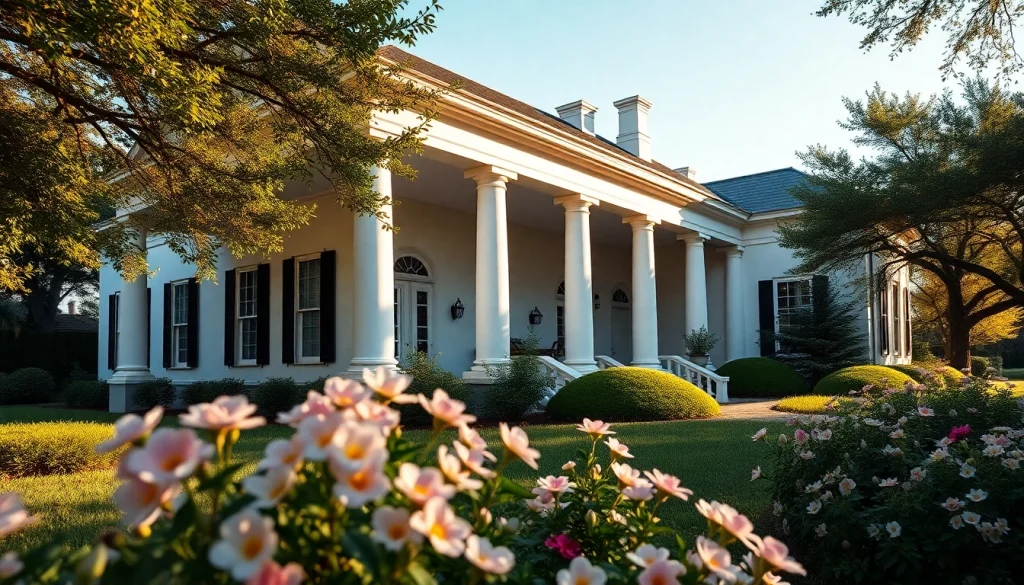
Colonial homes are among the most iconic architectural styles in American history, characterized by their symmetrical façades, classic detailing, and gabled roofs. They typically include a central entrance, multi-pane windows, and a rigid structure that embodies a sense of tradition and permanence. These homes can be found in various sub-styles, such as Georgian, Federal, and Dutch Colonial, each embodying unique design elements and historical significance. Understanding the charm and characteristics of these homes is essential when considering a colonial home renovation project, as it allows homeowners to preserve the essence of the original design while implementing modern functionalities.
Benefits of Colonial Home Renovation
Renovating a colonial home offers numerous benefits, both aesthetic and functional. Firstly, it allows for the preservation of historical value, giving homeowners the opportunity to maintain a piece of architectural history. By strategically renovating, you can improve energy efficiency through better insulation and sustainable materials without compromising on design integrity. Enhancing the layout of the space can also lead to a more functional living environment, accommodating modern lifestyles while respecting traditional aesthetics. Moreover, a thoughtfully executed renovation can increase property value significantly, making it a worthwhile investment.
Common Challenges and Solutions
Despite the advantages, colonial home renovations often come with challenges. One common issue is the structural integrity of older homes, which may require extensive work to ensure safety and stability. Homeowners may also face difficulties in sourcing materials that match the original design. To overcome these hurdles, it’s crucial to work closely with experienced architects and contractors who specialize in historical renovations. They can provide solutions for maintaining authenticity while integrating modern building techniques. Additionally, thorough inspections prior to starting the renovation can uncover potential problems early, minimizing costs and delays down the line.
Planning Your Colonial Home Renovation
Setting a Realistic Budget
The first step in planning a successful colonial home renovation is establishing a realistic budget. This involves assessing the current condition of the home, determining the scope of renovations needed, and researching the costs of necessary materials and labor. It’s advisable to allocate 10-20% of your budget for unforeseen expenses, as older homes can reveal hidden problems during renovations. Prioritizing key areas such as structural repairs, improvements to energy efficiency, and aesthetic upgrades helps in managing costs efficiently.
Choosing the Right Design Elements
Selecting appropriate design elements is crucial in maintaining the historic charm of a colonial home. This means carefully choosing colors, materials, and fixtures that align with the original design. For instance, wood siding, period-appropriate windows, and traditional roofing materials are essential in preserving the home’s character. Working with designers who have experience in colonial architecture can provide insights into maintaining the historical integrity while incorporating contemporary elements that enhance functionality.
Finding Reliable Contractors
Choosing the right contractors for your colonial home renovation is vital to ensure the project runs smoothly. Seek out professionals who have a proven track record in historical renovations, as they will understand the complexities involved in such projects. Ask for recommendations, review portfolios, and check references to gauge their experience. Additionally, having clear communication regarding timelines, costs, and expectations can greatly enhance the contractor-client relationship, setting the stage for a successful renovation.
Essential Features in Colonial Home Renovation
Preserving Historical Integrity
One of the hallmarks of a successful colonial home renovation is the preservation of historical integrity. This entails using authentic materials and traditional crafting techniques during the renovation process. For example, if replacing windows, opt for wooden frames with divided lights instead of modern vinyl options. Furthermore, incorporating period-appropriate detailing such as crown moldings and original flooring materials can significantly enhance the historical appeal while ensuring the home remains true to its roots.
Modern Upgrades Without Compromising Style
While preserving historical elements is essential, modern upgrades can significantly enhance the functionality of a colonial home. Consider integrating energy-efficient appliances, smart home technology, and modern plumbing without sacrificing aesthetic appeal. For instance, updating the kitchen to include contemporary fixtures while retaining classic cabinetry can create a seamless blend of old and new. Carefully chosen modern upgrades can bring comfort and convenience, making the home livable for modern families without sacrificing the charm of its colonial roots.
Landscaping Ideas for Colonial Homes
The landscaping of a colonial home should reflect its classic architecture. Traditional elements such as symmetrical flower beds, well-maintained hedges, and period-appropriate pathways can enhance the overall aesthetic. Incorporating native plants and historical garden designs, like colonial herb gardens, can further enrich the property’s appeal while adhering to proper land use practices. A well-planned landscape not only increases curb appeal but also complements the historical significance of the home.
Step-by-Step Guide to Colonial Home Renovation
Initial Assessment and Design Plan
The renovation journey begins with an initial assessment of the home. A thorough examination of the structure’s condition, including roofing, siding, and foundation, is vital. Collaborate with architects to create a comprehensive design plan that specifies which elements will be preserved and what modern upgrades will be made. This plan should also include timelines and a detailed budget, serving as a roadmap to keep the renovation on track and focused.
Construction Process Overview
During the construction phase, maintaining clear communication among all parties involved is essential to address any challenges that arise promptly. This stage typically involves you in several rounds of inspections to ensure adherence to safety standards and to assess the quality of work. Utilize this opportunity to document progress through photographs, which can be beneficial for both personal memories and potential future real estate marketing.
Final Touches and Finishing
The finishing touches in a colonial home renovation can truly bring the project to life. This includes painting with historically accurate colors, installing period-inspired fixtures, and choosing decor that complements the colonial aesthetic. Homeowners should focus on balance; ensure that the space feels cohesive and reflective of the classic style. It is also essential to conduct a final walkthrough to address any minor adjustments or corrections before officially moving into your newly renovated colonial home.
Case Studies and Inspiration
Successful Colonial Home Renovation Examples
Examining successful renovation case studies can provide invaluable insights and inspiration for homeowners. For instance, one notable renovation transformed a decaying colonial into a modern marvel by restoring historical elements while adding contemporary amenities. This included retrofitting the insulation for improved energy efficiency and repurposing original wood for new cabinetry. These examples showcase the potential for marrying historical preservation with modern living.
Trends in Colonial Architecture
Being aware of current trends in colonial architecture can guide your renovation project and ensure that it remains timeless. Popular trends include the incorporation of open floor plans while still retaining distinct areas through architectural elements such as half-walls and columns. Furthermore, eco-friendly practices like incorporating solar panels discreetly into the overall design have gained traction, enabling older homes to lessen their environmental footprint while aligning with sustainable living practices.
Before-and-After Transformations
Before-and-after transformations of colonial home renovations often illustrate the dramatic impact of thoughtful design choices. For example, a renovation that upgraded an obsolete bathroom into a spa-like retreat while maintaining Victorian-style clawfoot tubs presents an opportunity to witness the transition from old to new exquisitely. Documenting such transformations not only serves as personal inspiration but can also resonate with others considering similar projects, highlighting the possibilities within their historical homes.
FAQs about Colonial Home Renovation
What is the typical cost range for a colonial home renovation?
The cost of a colonial home renovation can vary widely, often ranging from $100 to $300 per square foot, depending on the scope and complexity of the project.
How do I maintain the historical integrity of my colonial home?
To maintain historical integrity, use authentic materials, preserve original structures, and consult experts in historical architecture during renovations.
Are there specific design styles to consider for colonial renovations?
Yes, consider styles such as Georgian, Federal, and Dutch Colonial, which reflect the home’s original era and architectural elements for cohesive design.
How long does a typical colonial home renovation take?
The timeline for a colonial home renovation can range from several months to over a year, depending on the scope and necessary approvals or permits.
Can I add modern amenities without losing my home’s character?
Yes, integrating modern amenities is possible by selecting designs that complement the original aesthetic, such as stylish fixtures and efficient appliances that blend seamlessly.