
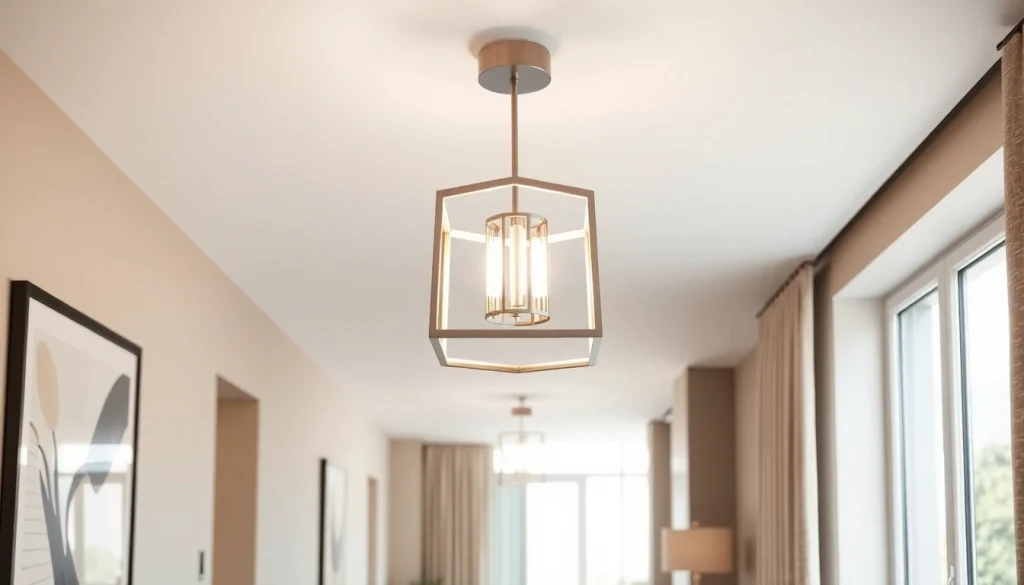
Understanding Light Fixtures for Hallway
The Importance of Hallway Lighting
Hallways often serve as the veins of a home or office, guiding individuals from one space to another. Yet, their functionality transcends mere navigation. Proper hallway lighting not only highlights architectural details but also ensures safety and comfort. With thoughtfully selected light fixtures for hallway, you can create an inviting atmosphere that complements your overall interior design while contributing to a sense of security.
Consider this: a well-lit hallway can set the tone as soon as you enter a space. Poor lighting might leave guests or residents feeling uneasy, while warm, welcoming illumination can evoke feelings of comfort and ease. Therefore, hallways should not be an afterthought when designing a living or working environment.
Different Types of Light Fixtures for Hallway
When it comes to selecting light fixtures for hallways, understanding the various types available is crucial. Here are some popular options:
- Pendant Lights: These hanging lights create visual interest, especially in hallways with high ceilings. They can serve as statement pieces while providing focused illumination.
- Wall Sconces: Ideal for narrow spaces, sconces can be installed at eye level, adding a touch of elegance while ensuring adequate light distribution along the hallway.
- Recessed Lighting: Set into the ceiling, recessed lights are perfect for minimalistic designs. They offer ambient lighting without taking up visual space, making them a favorite for modern homes.
- Track Lighting: This system provides flexibility as you can adjust the direction of the lights to highlight artwork or architectural features in the hallway.
- Flush Mount Lights: Low-profile and often circular, flush mounts are perfect for areas with low ceilings, providing ample illumination without obstructing movement.
Choosing the Right Style
The style of the light fixtures you choose should resonate with the overall aesthetic of your space. For instance, a classical home may benefit from ornate fixtures, while a contemporary space will thrive with sleek, minimalistic designs. Consider these factors when selecting the right style:
- Architectural Style: Match your light fixtures to your home’s architecture, using modern fixtures for contemporary designs, and vintage or industrial styles for rustic homes.
- Color and Finish: Choose complementary colors or finishes that harmonize with your hallway’s palette, enhancing the visual flow throughout.
- Scale and Proportion: Ensure that the fixtures are appropriately scaled for your space. Larger fixtures can make a bold statement, while smaller ones provide subtle elegance.
How to Select Light Fixtures for Hallway
Assessing Space and Layout
Before selecting light fixtures for your hallway, it’s essential to assess the space and layout. Start by measuring the dimensions of your hallway, including the length, width, and height. Consider the following:
- Narrow Spaces: For hallways that are narrow, wall sconces or recessed lighting can provide ample illumination without encroaching on walking space.
- Height Considerations: In high-ceilinged hallways, consider pendant lights or chandeliers that draw the eye upward, creating a sense of grandeur.
- Intersecting Areas: If the hallway intersects with other rooms, consider how the lighting in these areas might affect the overall space, ensuring consistency in brightness and style.
Determining Brightness Needs
Determining how bright your hallway needs to be is crucial for selecting the right fixtures. Factors to consider include:
- Functionality: If the hallway is frequently used or serves as a passageway to vital rooms, it should be brightly lit. For less frequented spaces, softer lighting may suffice.
- Natural Light: Evaluate the amount of natural light the hallway receives during the day. Hallways with large windows may need less artificial light than those without.
- Layering Lighting: Consider incorporating various sources of light, such as ambient, task, and accent lighting, to achieve a well-rounded luminosity that enhances both safety and aesthetics.
Considering Energy Efficiency
With an increased focus on sustainability, considering energy-efficient light fixtures for hallways is more important than ever. Here are some tips for selecting energy-efficient options:
- LED Bulbs: Opt for LED lighting, which utilizes significantly less energy and has a longer lifespan than traditional incandescent bulbs.
- Smart Lighting: Implement smart technology, such as dimmers and smart controls, to adjust light intensity based on natural light availability or time of day.
- Quality Over Quantity: Instead of multiple fixtures, choose fewer high-output fixtures that illuminate the space effectively, minimizing energy consumption.
Installation Tips for Light Fixtures for Hallway
Preparation and Safety Precautions
Proper preparation and safety precautions are vital when installing light fixtures. Always ensure that the power is turned off at the circuit breaker before beginning. Follow these steps to ensure a safe installation:
- Gather Tools: Common tools needed include a screwdriver, wire strippers, a voltage tester, and a level.
- Read the Instructions: Each fixture will come with specific installation instructions that should be followed to avoid any complications.
- Use Protective Gear: Wearing safety goggles and gloves can protect against accidents during the installation process.
DIY vs. Professional Installation
Deciding whether to install fixtures yourself or hire a professional can significantly influence the outcome. Consider the following:
- Skill Level: If you are comfortable with basic electrical work and have completed similar projects, DIY installation may be feasible.
- Complexity: For intricate lighting systems or when working with wiring and older homes, it is advisable to hire a licensed electrician to ensure safety and compliance with regulations.
- Time Commitment: If you lack time or simply need the installation completed quickly, hiring a professional can save you valuable hours.
Common Installation Mistakes
Here are some common mistakes to avoid when installing light fixtures:
- Ignoring Height Measurements: Failing to assess the proper height placement of fixtures can result in poor illumination or obstructed walkways.
- Using Incompatible Bulbs: Ensure that the bulbs you choose for your fixture are compatible with its specifications to avoid damage or safety hazards.
- Skipping the Test Run: Always test new fixtures before finalizing the installation to ensure that they operate correctly and produce the desired amount of light.
Enhancing Ambiance with Light Fixtures for Hallway
Layering Light Sources
Layering light sources in a hallway can create depth and dimension within an otherwise flat space. Here are three types of lighting to consider:
- Ambient Lighting: This general illumination serves as the foundation of your lighting scheme and ensures visibility. Ceiling-mounted lights or recessed fixtures work well for ambient lighting.
- Task Lighting: If your hallway includes functional spaces, such as a desk or reading area, implement task lighting to provide focused light where necessary.
- Accent Lighting: Use accent lights to highlight artwork, photographs, or architectural elements, adding personality and style to your hallway.
Color Temperature Effects
The color temperature of your light can dramatically affect the ambiance of your hallway. Here’s how to choose the right color temperature:
- Warm White (2700K – 3000K): Creates a cozy, inviting atmosphere suitable for residential areas.
- Neutral White (3000K – 4000K): Versatile and good for a balance between warmth and brightness, it enhances modern settings.
- Cool White (4000K – 5000K): Ideal for areas needing brighter, more alert lighting, it’s good for workplaces and functional spaces.
Accentuating Hallway Design Features
Your hallway may feature various design elements that deserve attention. Light fixtures can enhance these features:
- Artwork Illumination: Position lights to draw focus to artwork or photographs, creating a gallery-like feel.
- Architectural Details: Use lighting to highlight moldings, archways, or unique structural elements that add character.
- Flooring Accents: If your hallway has stunning flooring, consider fixtures that cast light downward, showcasing the beauty below.
Maintenance Tips for Light Fixtures for Hallway
Cleaning and Care Guidelines
Regular maintenance of your light fixtures not only extends their lifespan but also ensures optimal performance. Here are some cleaning tips:
- Dust Regularly: Use a microfiber cloth to remove dust from fixtures frequently. This prevents buildup and keeps your lights shining bright.
- Check for Corrosion: Inspect for signs of corrosion on fixtures, especially in humid areas. Address rusted or damaged areas promptly.
- Clear Bulbs: If using clear bulbs, clean them periodically with a damp cloth to ensure maximum light output without obstructions.
When to Replace Bulbs
Knowing when to replace bulbs is essential for maintaining a well-lit hallway. Signs include:
- Dimming Light: If your bulbs show a noticeable decrease in brightness, consider replacing them for consistent illumination.
- Flickering or Flashing: Flickering can indicate a faulty bulb. Replace it to prevent potential electrical hazards.
- Discoloration: If bulbs become discolored or unevenly lit, replacing them will enhance your lighting’s overall quality.
Ensuring Optimal Functionality
Beyond just replacement, ensuring optimal functionality of your hallway lighting involves:
- Routine Checks: Periodically test your light fixtures to ensure they are working correctly and make necessary repairs.
- Wiring Maintenance: Keep an eye on wiring for any signs of wear or damage. Consult a professional for repairs if needed.
- Light Timers: Consider using light timers for automatic turn-on and off, enhancing both convenience and energy efficiency.
Frequently Asked Questions
What type of lighting is best for hallways?
A combination of ambient and accent lighting works best for hallways, ensuring adequate brightness while highlighting architectural features or artwork.
How many fixtures do I need for my hallway?
The number of fixtures depends on the hallway’s length and width, but generally, one fixture per 10 to 12 feet is a good rule of thumb for consistent illumination.
Can I use dimmable lights in my hallway?
Yes, using dimmable lights allows you to customize brightness levels, enhancing the mood and flexibility of your hallway lighting.
What is the average lifespan of LED bulbs?
LED bulbs can last anywhere from 15,000 to 50,000 hours, making them a highly efficient option for hallway lighting.
How do I decide on fixture styles?
Consider your overall home decor. Choose fixtures that complement your existing style, whether it’s modern, traditional, or eclectic, for a cohesive look.