
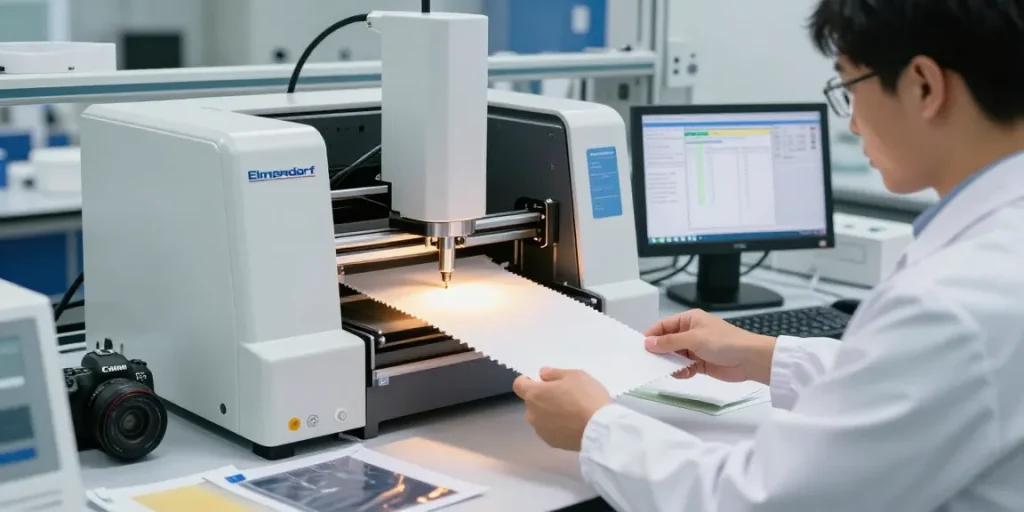
Understanding Elmendorf Tearing Tester Principles
The Elmendorf Tearing Tester has become an essential device in quality control and material testing across various industries, particularly for textiles and packaging materials. Its primary function is to measure the tearing strength of fabrics and other materials, providing critical data for manufacturers and researchers alike. This article delves into the principles underlying the Elmendorf tearing tester, its advantages, applications, and the future trends in tearing strength testing. When exploring options, elmendorf tearing tester provides comprehensive insights into reliable testing methods.
What is the Elmendorf Tearing Tester?
The Elmendorf Tearing Tester, also referred to as the Elmendorf Tearing Strength Tester, is a precision instrument used to evaluate the tearing strength of various materials. The device operates on the principle of pendulum mechanics, where a pendulum is released from a predetermined height to create a tear in the material secured between clamps. The force exerted during the tear is measured, allowing for an assessment of the material’s tear resistance. This method is particularly significant for testing woven fabrics, plastic films, and thick paper, ensuring that materials meet quality and safety standards.
How Does the Tearing Test Work?
The testing process starts with the fabric specimen secured in place using a dynamic and a fixed clamp. A cutter within the tester marks a notch at the center of the specimen. Once the preparation is final, the pendulum is released, swinging down and tearing the specimen along the pre-marked notch. The energy lost during this swing, as measured by the apparatus, translates directly into the force necessary to propagate the tear. This innovative mechanism ensures that the Elmendorf tester delivers accurate and repeatable results, critical for industries where material integrity is paramount.
Importance of Accurate Tear Strength Measurement
Accurate measurement of tear strength is vital for ensuring the reliability and safety of products used in various applications ranging from fashion to protective gear. A material that fails to exhibit the required tear resistance can lead to product malfunction, failures, or even safety hazards. Therefore, the Elmendorf Tearing Tester serves as a crucial tool in quality assurance, enabling businesses to make informed decisions about material selection and product development.
Advantages of the ElmenGuide Elmendorf Tearing Tester
Fully Automated Testing Features
The ElmenGuide Elmendorf Tearing Tester represents a significant advancement in testing technology, offering fully automated features that enhance testing efficiency. Unlike traditional methods that require manual operation and calculations, this advanced model automates the entire testing process. It can recognize hanging weights and automatically adjust measurement ranges, significantly reducing the potential for human error during testing. This automation ensures that results are consistent and reliable, fostering an environment of confidence in the data produced.
High Precision and Compliance with Global Standards
Accuracy is fundamental when assessing the tear strength of materials. The ElmenGuide model boasts an impressive accuracy level of ±0.2%, meeting stringent international standards such as ASTM D 1424 and ISO 13937-1. This compliance makes it a trusted choice for quality control across different industries, including textiles and packaging. Such precision ensures that manufacturers can depend on the results for compliance with regulations and certifications, eliminating doubts about material performance.
User-Friendly Design and IoT Integration Benefits
The ElmenGuide Elmendorf Tearing Tester is designed with the user in mind, featuring an intuitive interface that simplifies operation. The dual-button activation system keeps the operator at a safe distance from the pendulum, thus minimizing accident risks. Additionally, the integration of IoT technology allows users to connect the tester to smartphones and PCs through the SmarTexLab App. This connectivity facilitates real-time data monitoring, report uploading, and maintenance alerts, making it easier to manage testing operations. The user-friendly design not only streamlines testing processes but also boosts confidence in new operators.
Applications of Elmendorf Tearing Tester Across Industries
Textiles and Fabrics Testing
In the textile industry, the Elmendorf Tearing Tester plays a crucial role in evaluating the durability of fabrics. Manufacturers use the device to assess the tearing strength of cotton, polyester, and blended fabrics, ensuring that the final products meet consumer expectations and safety standards. With the increasing demand for high-performance fabrics, the ability to accurately evaluate tear strength has never been more vital.
Plastic Films and Packaging Material Analysis
The packaging industry relies heavily on the Elmendorf Tearing Tester to determine the strength of plastic films and laminated materials. Tear strength is a critical parameter in ensuring that packaging can withstand the rigors of transport and handling. By evaluating materials like polyethylene and polypropylene, manufacturers can develop packaging solutions that protect products while minimizing waste.
Paper and Cardboard Strength Evaluation
In the paper industry, evaluating the tear resistance of different grades of paper and cardboard is essential for quality control. The Elmendorf Tearing Tester is employed to test everything from lightweight paper used in printing to the robust cardboard utilized in packaging. This testing helps ensure that the materials used can endure the conditions they will face throughout their lifecycle.
Case Studies: Real-World Applications and Success Stories
Textile Manufacturing Quality Control
Quality control is a vital aspect of textile manufacturing. For instance, a leading fabric manufacturer implemented the ElmenGuide Elmendorf Tearing Tester in their quality assurance process. By consistently evaluating the tear strength of their products, they were able to identify weaknesses in certain fabric batches, leading to adjustments in production processes and material sourcing. This proactive approach not only improved product reliability but also significantly reduced returns due to quality complaints.
Research and Development in Academic Institutes
Academic institutions that focus on textile technology have increasingly adopted the Elmendorf Tearing Tester for research purposes. A textile research center utilized this device to study the performance characteristics of eco-friendly fabrics. By measuring tear resistance, researchers were able to document the efficacy of sustainable materials compared to traditional textiles, subsequently publishing their findings in reputable journals and influencing industry practices.
Quality Assurance in Certification Laboratories
Certification laboratories frequently use the Elmendorf Tearing Tester to validate the performance of various materials. For example, a prominent laboratory focused on material testing used the tester to ensure compliance with international standards for textile products. Their ability to deliver accurate and reliable tear strength data helped clients pass certification audits seamlessly, reinforcing the laboratory’s reputation in the industry.
Future Trends in Tearing Strength Testing
Technological Advancements Expected in 2026
As technology evolves, the future of tearing strength testing will undoubtedly benefit from advancements in automated testing systems. In 2026, we can expect the emergence of even smarter testing machines equipped with enhanced sensors and AI capabilities that could provide predictive analysis of material performance. These innovations will drive efficiency and accuracy even further, empowering manufacturers with deeper insights into material properties.
Emerging Standards in Material Testing
The landscape of material testing standards is constantly changing. By 2026, industry stakeholders anticipate the introduction of new testing methodologies that will prioritize sustainability and efficiency. The adherence to evolving standards will be crucial for manufacturers aiming to maintain compliance and market competitiveness, particularly in the eco-conscious consumer landscape.
Impact of Automation on Testing Efficiency
The impact of automation on testing efficiency cannot be overstated. With fully automated systems like the ElmenGuide, businesses can expect significant reductions in testing time and labor costs. This enables quicker turnaround times for product development and enhances overall productivity within quality control laboratories, making it a win-win for manufacturers and consumers alike.
How to Calibrate an Elmendorf Tearing Tester?
Calibrating an Elmendorf Tearing Tester is a straightforward process that ensures the accuracy of measurements. To begin, set the tester to the desired calibration weight, which typically varies between 200 and 400 grams, depending on the model. Once adjusted, release the pendulum arm and observe the calibration weights to confirm that the pendulum swings to the indicated calibration point on the scale. Regular calibration checks are critical for maintaining the instrument’s performance over time.
What is the Cost of an Elmendorf Tearing Tester?
The pricing of an Elmendorf Tearing Tester can vary significantly based on model features and specifications. Generally, prices can range from several thousand to tens of thousands of dollars, depending on the level of automation, additional features, and the supplier. Investing in a high-quality tester is essential for companies that prioritize accuracy and reliability in their material testing processes.
How to Use the Elmendorf Tearing Tester Effectively?
Effectively using the Elmendorf Tearing Tester involves several crucial steps. Begin by ensuring that the tester is calibrated correctly for the material being tested. Select specimens that meet required dimensions and properly secure them in place. Once the sample is ready, activate the testing procedure and record the results accurately. Regular training for operators will also enhance the reliability of test results, fostering a culture of quality within the organization.